#3 – Limits
Ducks
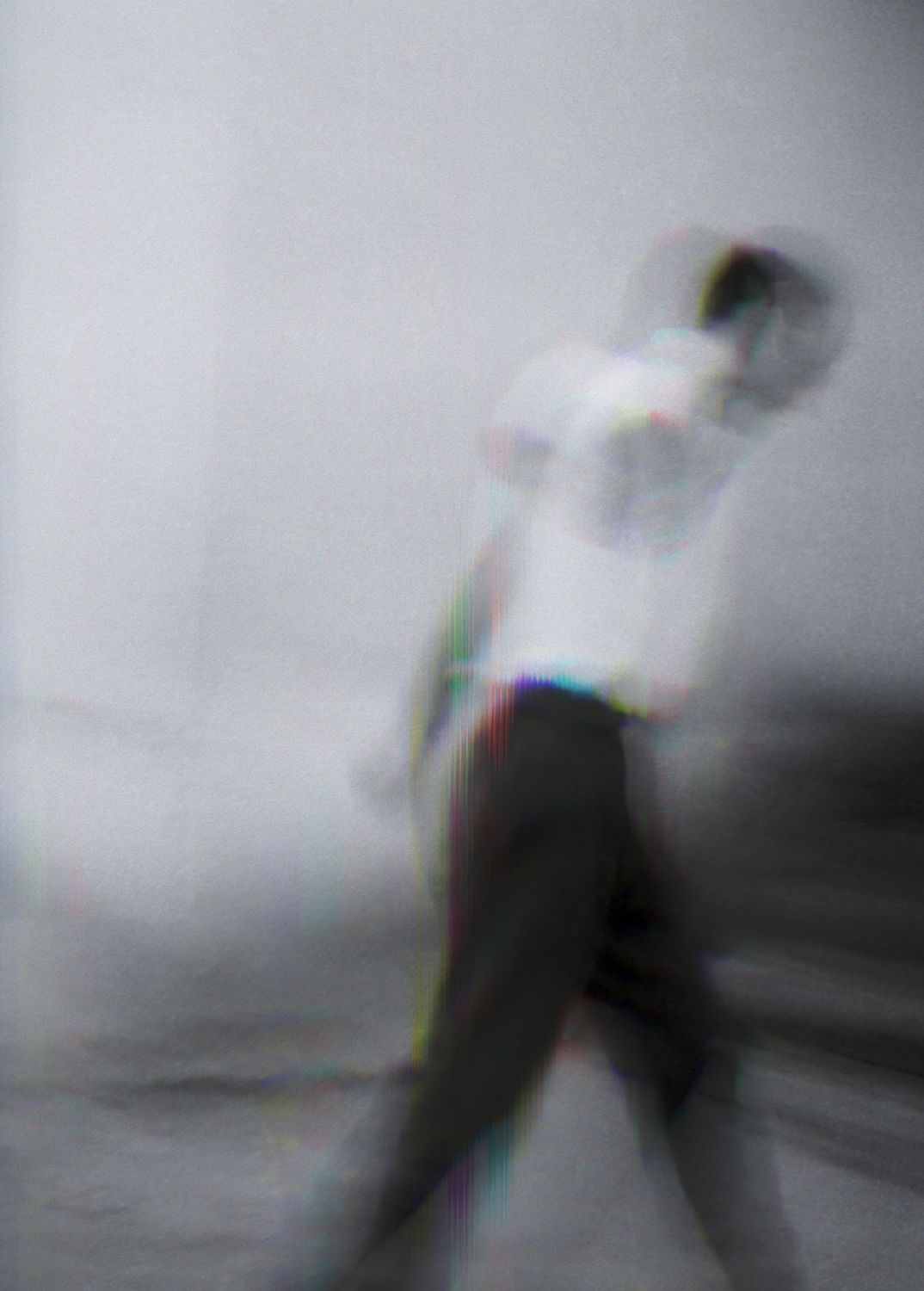
We permanently walk with our soles glued to the ground – the movement of the Human Being is not walking, it is treading – yet in truth we are beings of the air, we penetrate the air, albeit without the arrow of birds. As terrestrial as we are atmospheric, the ground accompanies us throughout our lives, everywhere, from the deepest mine to the terrace of the tallest skyscraper. In Tisana 41, Ana Hatherly asks: «I sit at my doorstep and think. Where does the sky begin? Is it immediately above the ground? Are we always in the sky then?» We are amphibious beings, of two elements, ground–air, like missiles. Fish seem to be the only non-amphibious beings, faithfully devoted to a single element. Ducks, on the contrary, seem to achieve the full set – they walk on land, swim in water, fly through the air, and, being birds, they find their grace in that burning, as Perse discovered; fire, at last. For this very reason, ducks are beings of the limit, tightrope-walking the boundaries between all elements. All non-marine living beings are landers; even those that move through the air eventually land. On Earth there is only the marine and the terrestrial – the aerial is circumstantial, temporary, contingent; even so-called air accidents occur, for the most part, on the ground. What characterises flight is that wings touch nothing; walking and swimming, on the other hand, are movements by contact. The air surrounds our bodies; the soles of our feet, only when we jump. This is the great importance of the jump – for a moment we are independent, detached and whole, complete and self-sufficient because separated and distinct, with only (the) nothingness around us. But everything returns to earth.
Homeless
All lands belong to countries, all seas too, everything seems to belong to someone, as on a street – everything has a fence, a lock, a code. Doors, electricity boxes, cars, even certain garbage bins display locks. Only the street itself seems usable without a key. For that very reason it is where those who possess nothing sleep. The homeless person, in truth, is not roofless; what truly characterizes them is being doorless, without privacy and without the possibility of ownership. The homeless person cannot close; they possess no interior. In fact, they cannot possess because they have nowhere to store – they do not store, they can only hide things in the corners of the city. They cannot possess because they do not possess a door. The interior was created by man when he invented the door. This new interior was further emphasized when the door gained a lock and a key. Without a door, without keys, the homeless person has only what they can carry in their pockets. How long has it been since the homeless person last touched a banknote?
Vide-Poche
The vide-poche (pocket-emptier) is an element of the limit, the threshold, the contour, like the lock and the door, the wall and the window. Preferably, it is placed near the entrance door of the house, where pockets are emptied upon entering and refilled upon leaving; it is a tilting system of hydraulic balances, where contents change container, a tidal system that, as such, shifts at certain hours of the day – usually the vide-poche fills up at the end of the day and empties at the beginning of the next. Into it is deposited everything that is useless inside the house – keys, wallet, money, sunglasses, etc. Clothes become empty just as store clothes are empty. The vide-poche exists to make us lighter at home, to tread less deeply; it exists because of pockets, yet ultimately renders them useless.