La rue est à nous
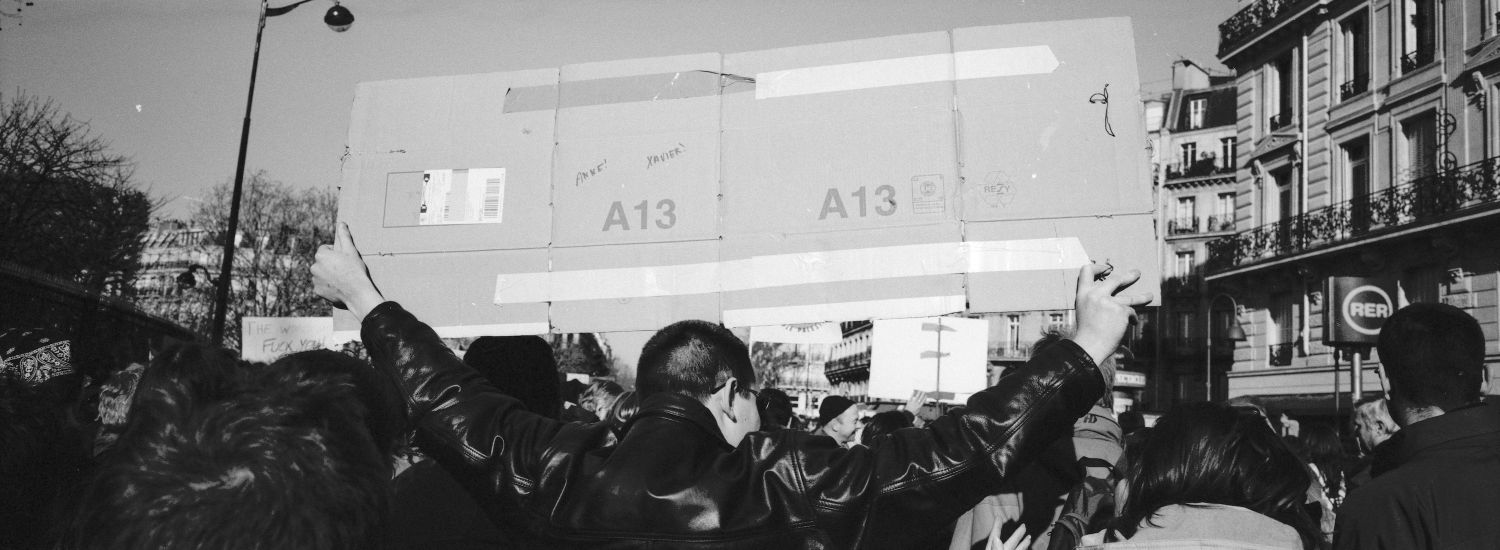
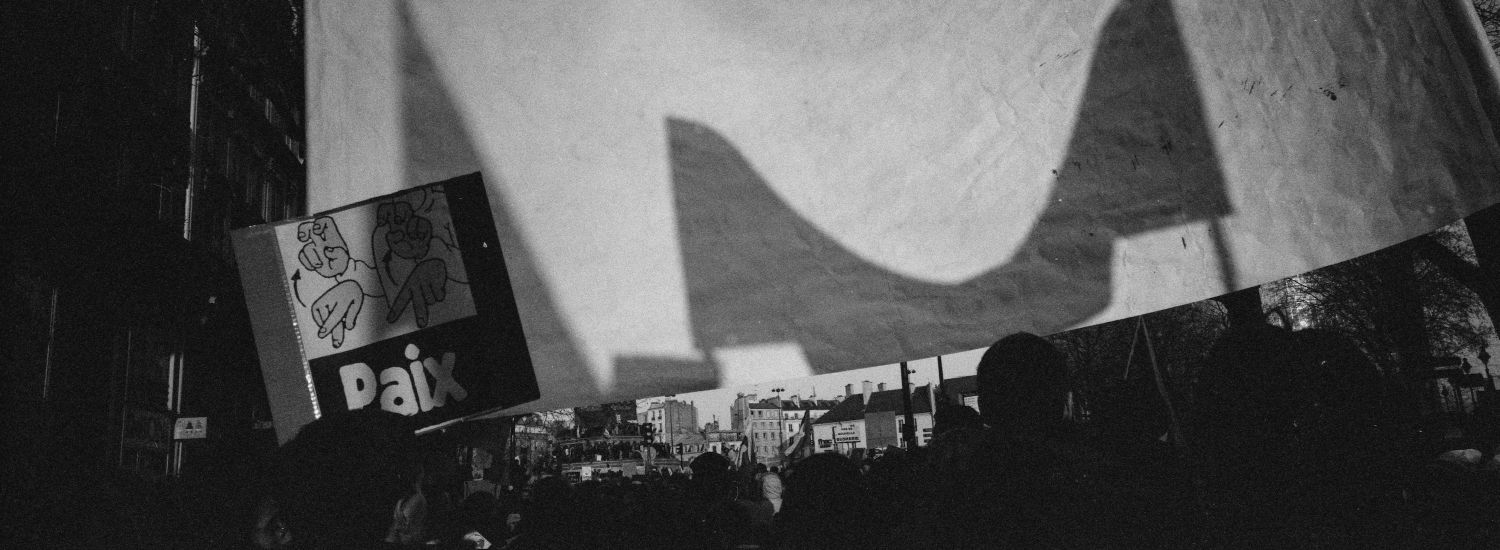
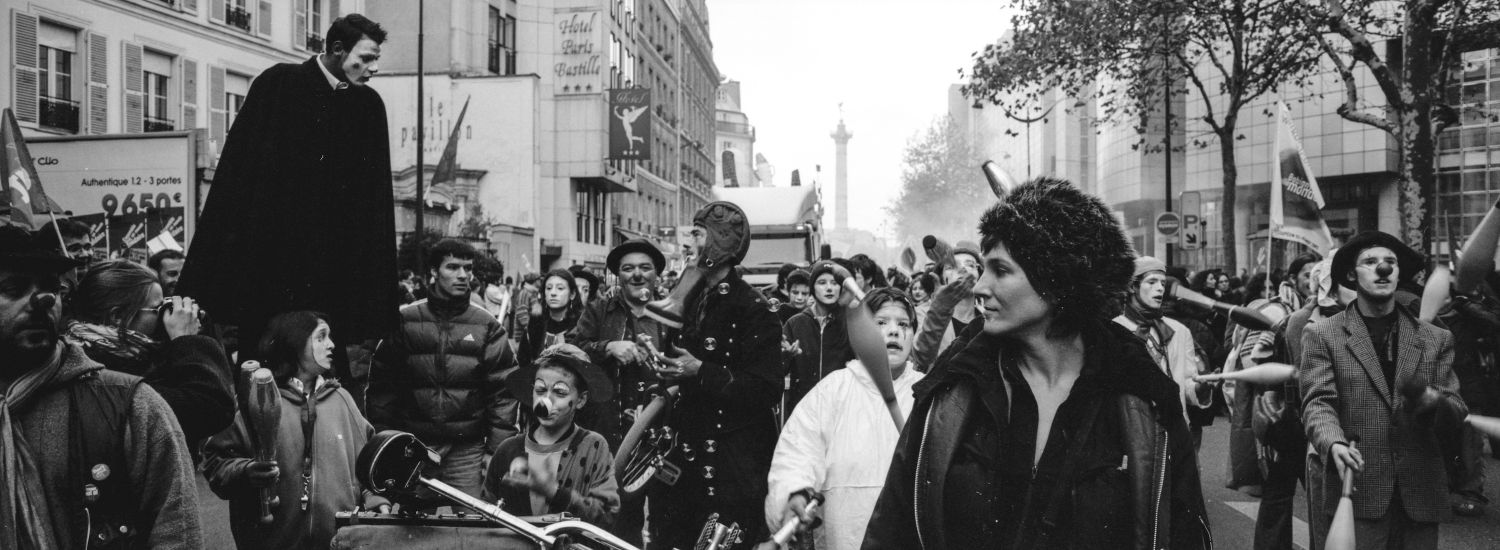
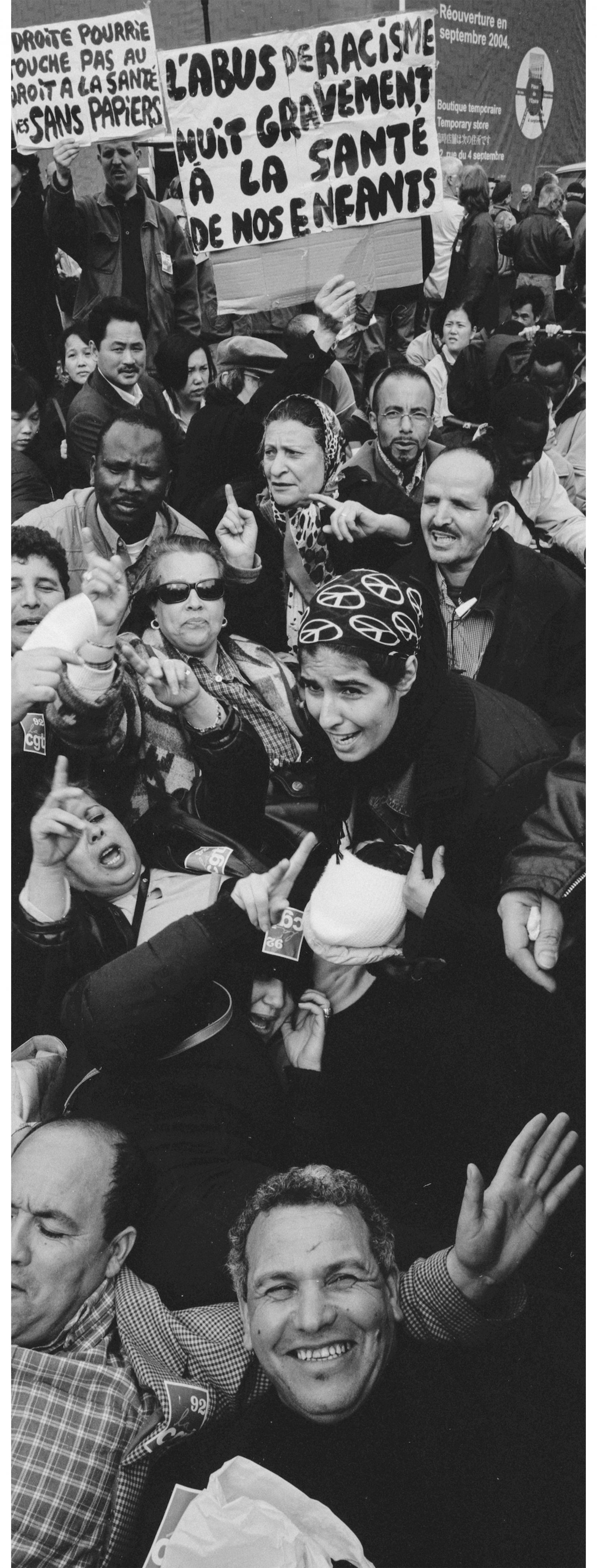
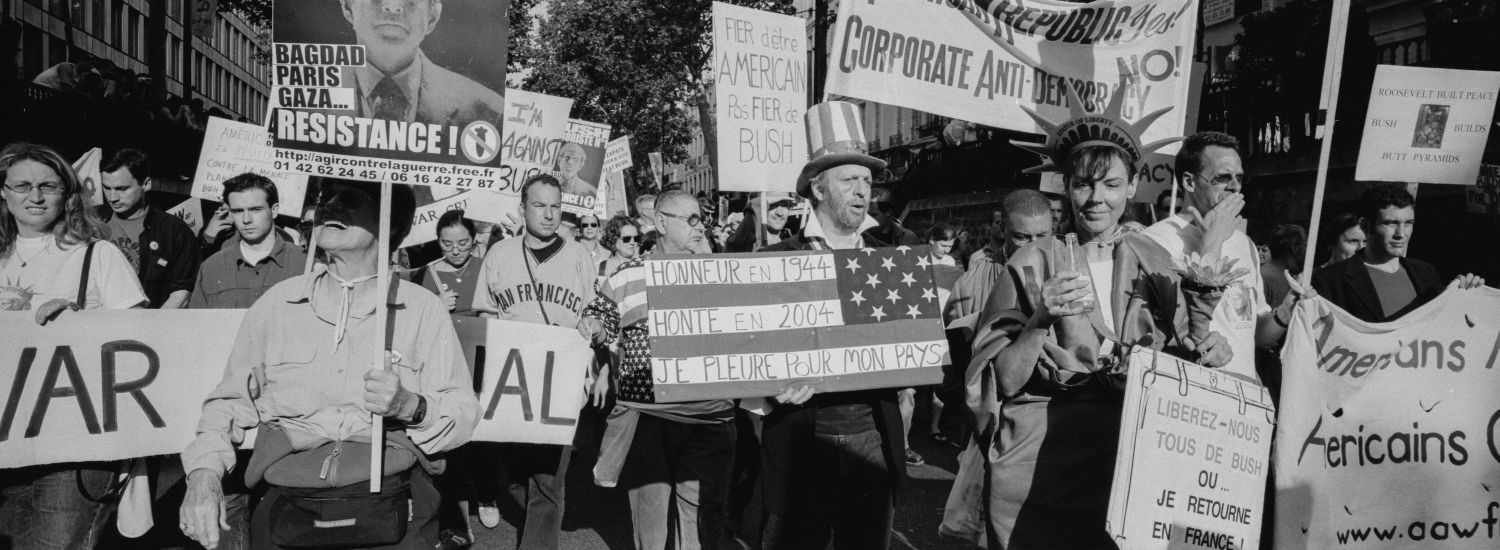
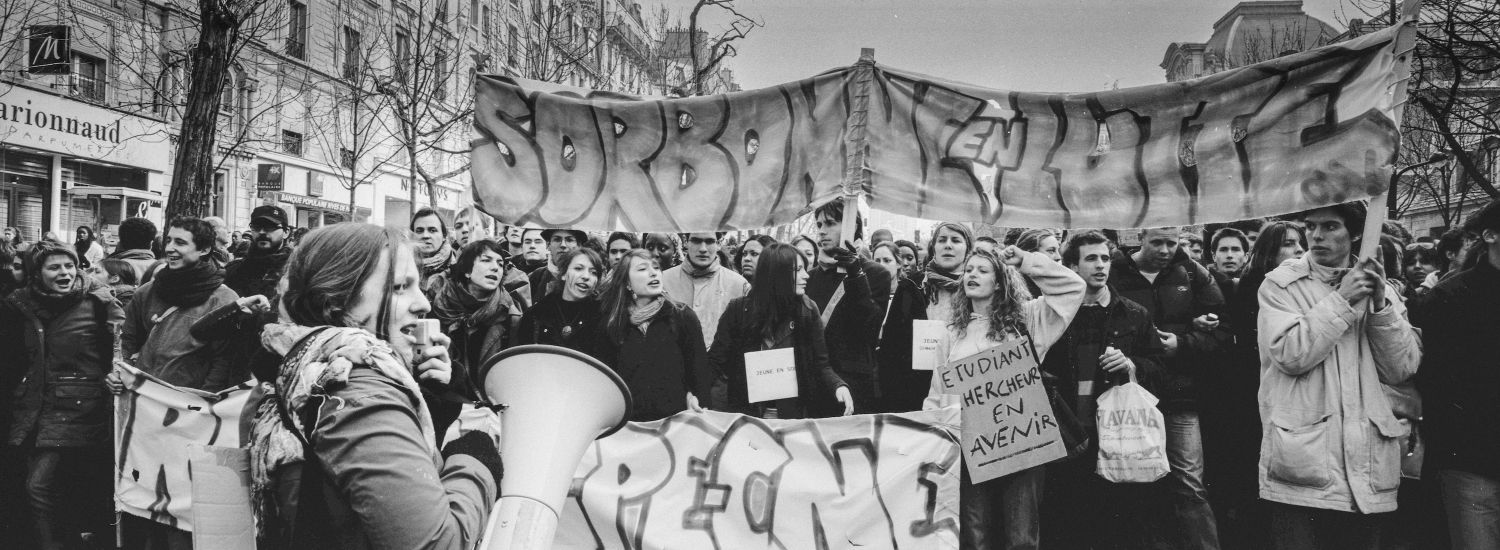
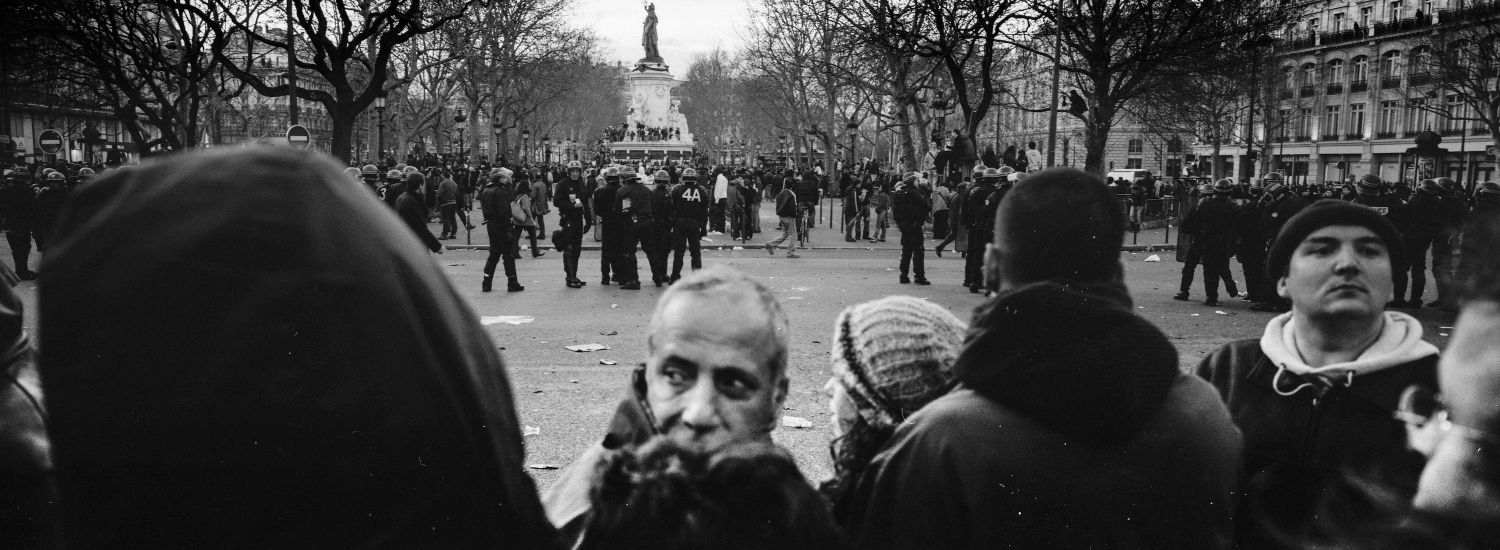
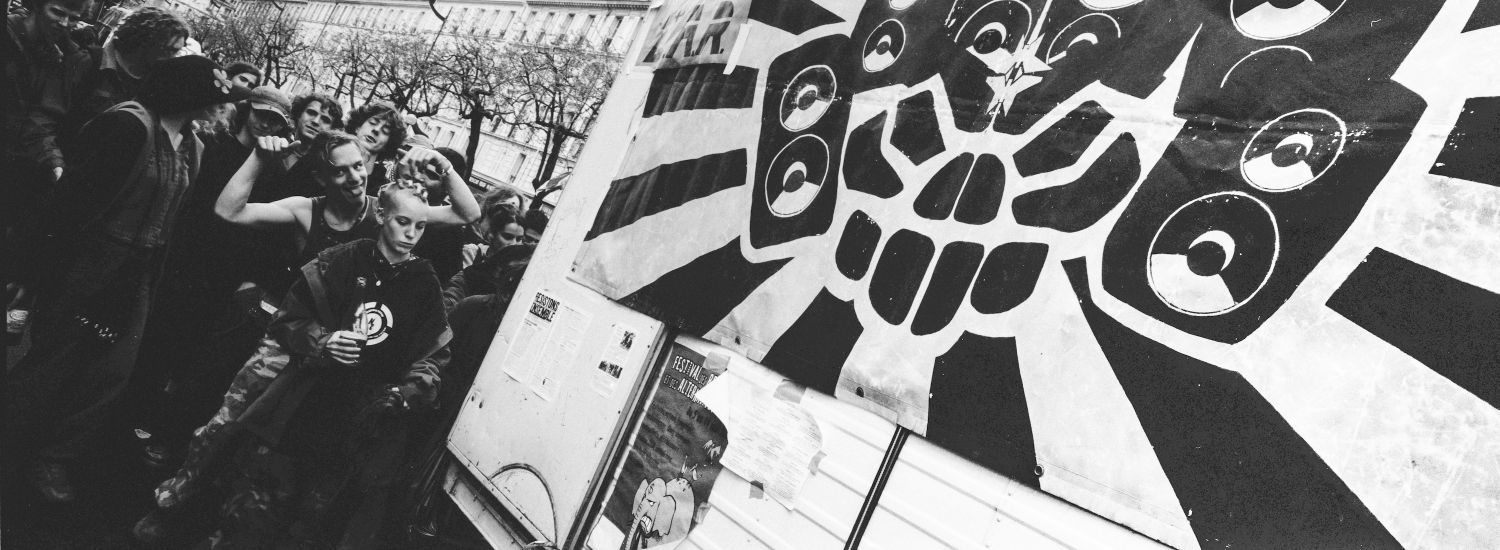
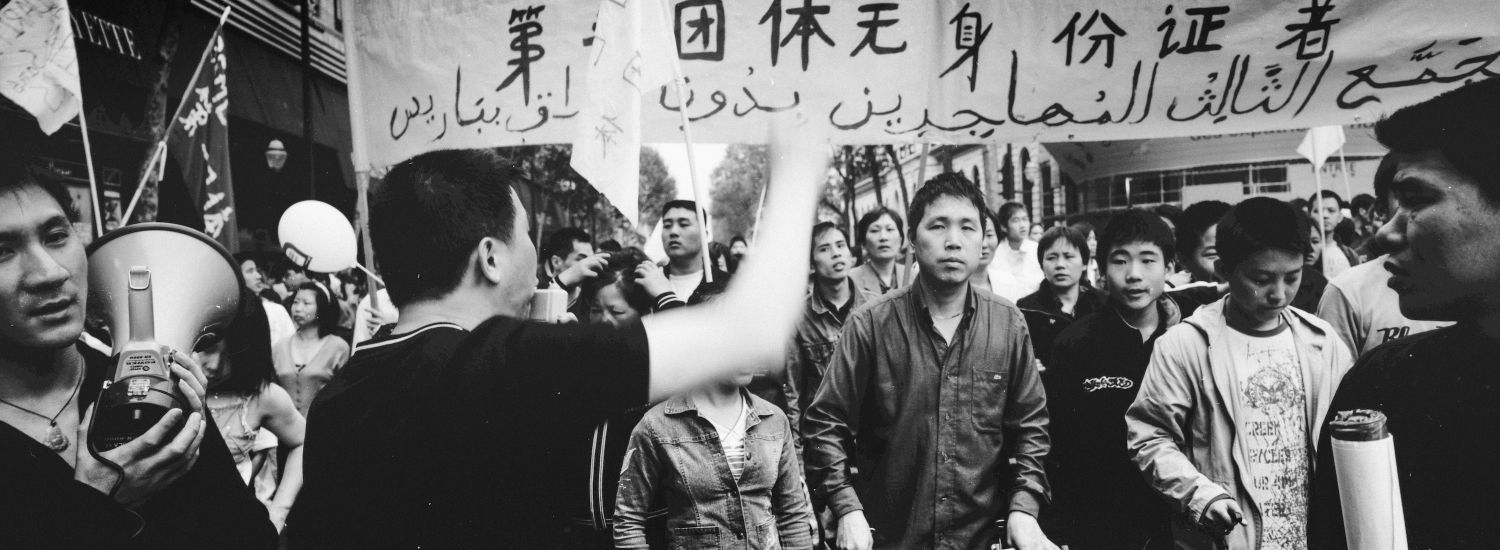
A demonstration is both a space and a collection of bodies. The space consists of the city’s major thoroughfares – avenues and boulevards – built mainly in the nineteenth century to improve traffic flow and open up the city, as well as to control the urban populace, who were suspected of being inherently rebellious against bourgeois authority and the order that was taking shape at the same time. The bodies are those of a crowd of men and women organised, paradoxically, to demonstrate power. The power of their freedom of expression, to voice their resistance, their dissent, their demands. Their right to occupy a public thoroughfare to march ‘all together’ and count themselves. From all sides, the demonstration is numbered. This crowd needs this territory to stage its show of force, since it is quantity that has become the be-all and end-all of a demonstration’s success, rather than its effectiveness—such as successfully erecting a barricade and holding back the police, or seizing a seat of power and holding it, for example. This ever-changing display, unfolding at walking pace, ensures visibility for as many people as possible, from the general public to the media.
This selection of photographs explores the relationship between numbers and space—in this case, the panoramic view—which, like these vast, wide streets, presents a challenge to be met. The panoramic format captures the unique expanse of these major thoroughfares, where we will ‘pave the streets’ rather than ‘pave the way’. The bodies, though numerous, can be dispersed or gathered within it. Panoramic photography may reveal only the distance between the demonstrators, the dislocation rather than the cohesion. The challenge, then, is to convey this balance between all these forces of an acting body. The agreed-upon action is to march, so that there is a start and an end, with the crowd dispersing at the exit of a large square. This perilous moment is regularly the scene of clashes between the most decentralised and spontaneous movements and the police. The police are stationed there to direct and control the dispersal, with an imposing and deterrent presence or lying in wait in the adjacent streets. They are there to signal to everyone the end and the limits of our freedoms.