

[GUNUNG] BROMO
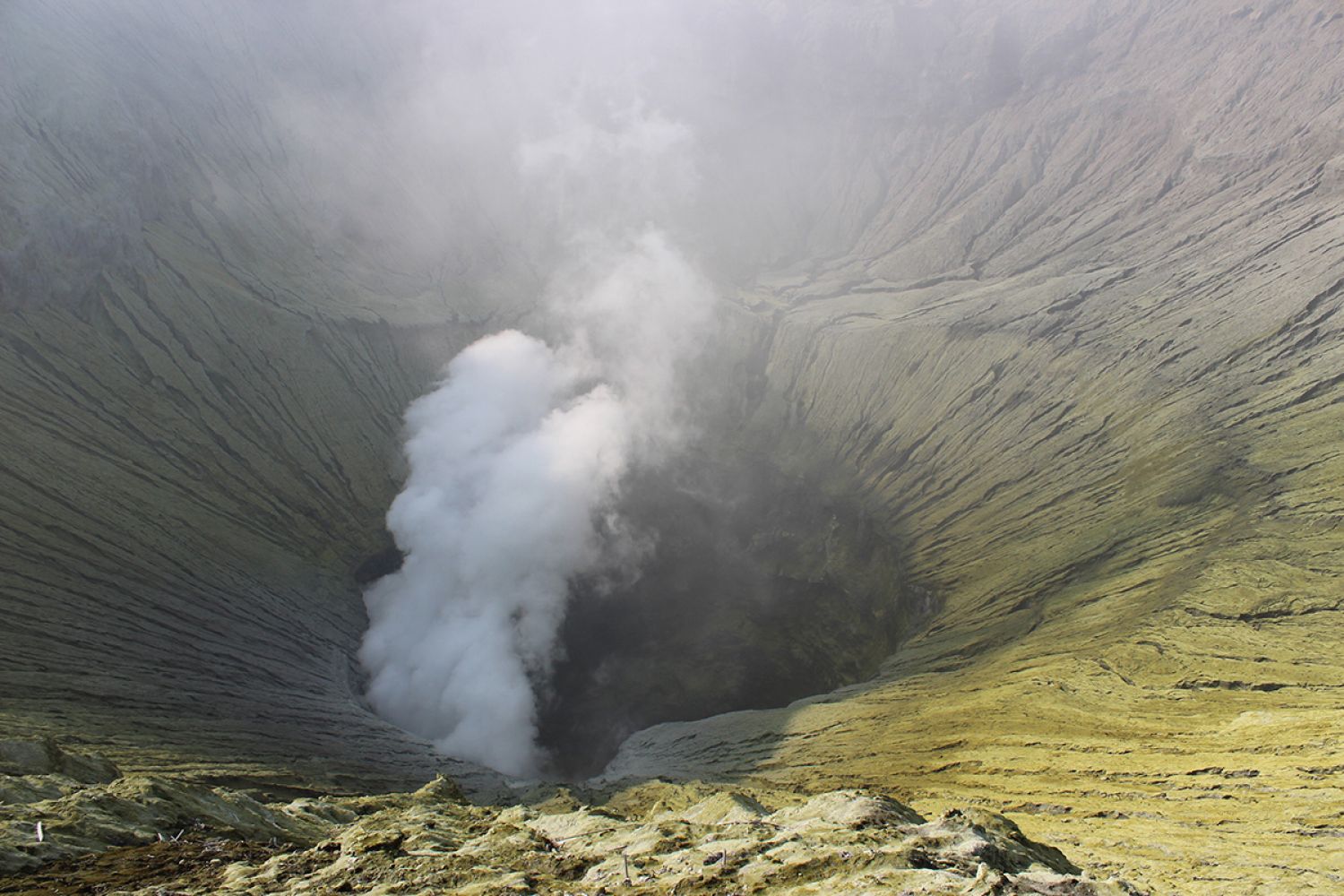
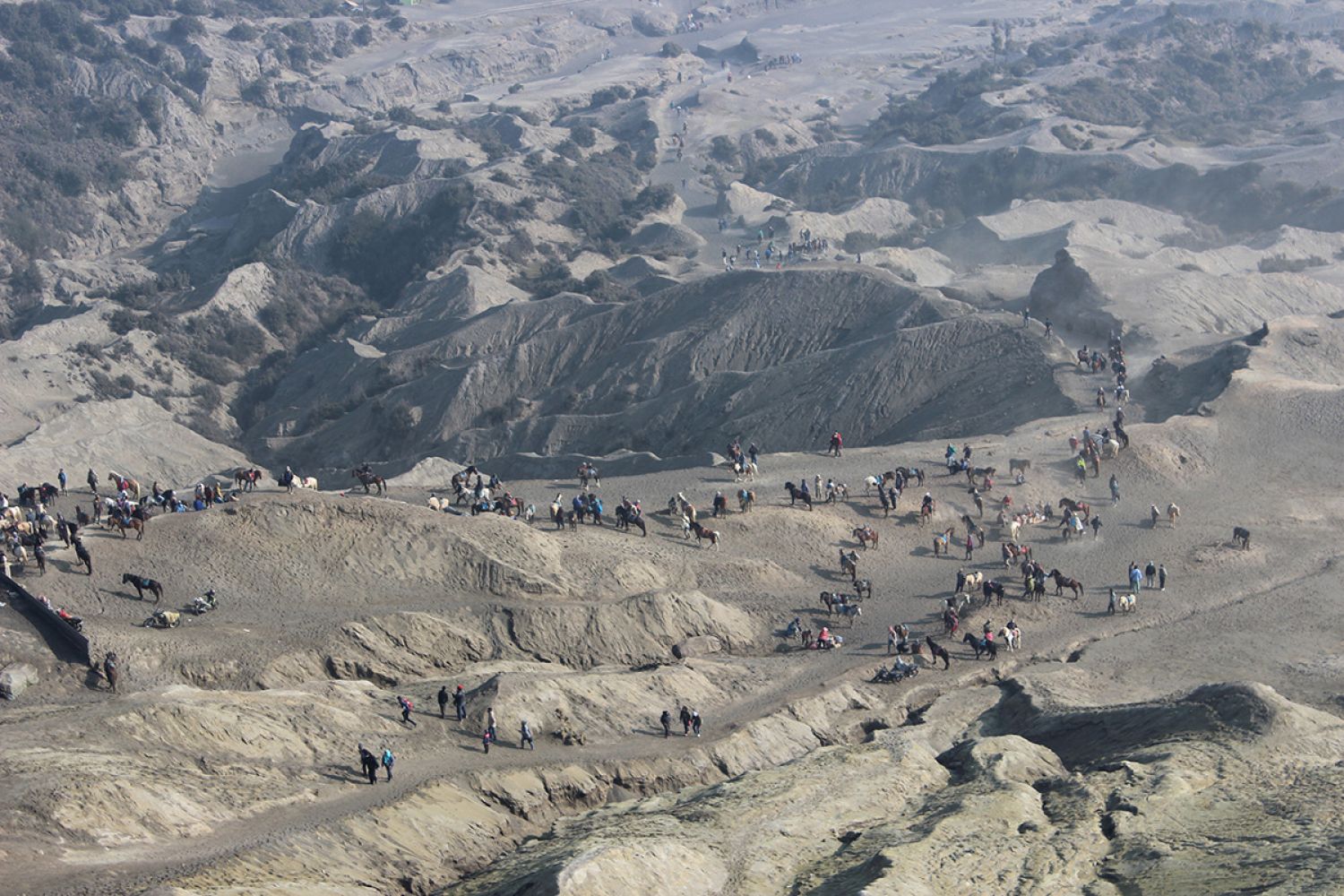
In a movement against the sulphurous smoke, the winds, magma and dust, a swarm of bodies climbs the slopes of the craters, following the folds of the terrain – towards the centre of the earth.
The murmur of Bromo whispers to them an invitation, a spell, at dawn. Ash, grey sand, cloths covering the nose and mouth, in an economy and mythological reverence nourished by proximity, watching from the mountain ridges, covered by a film of soot that seeps into every sense.
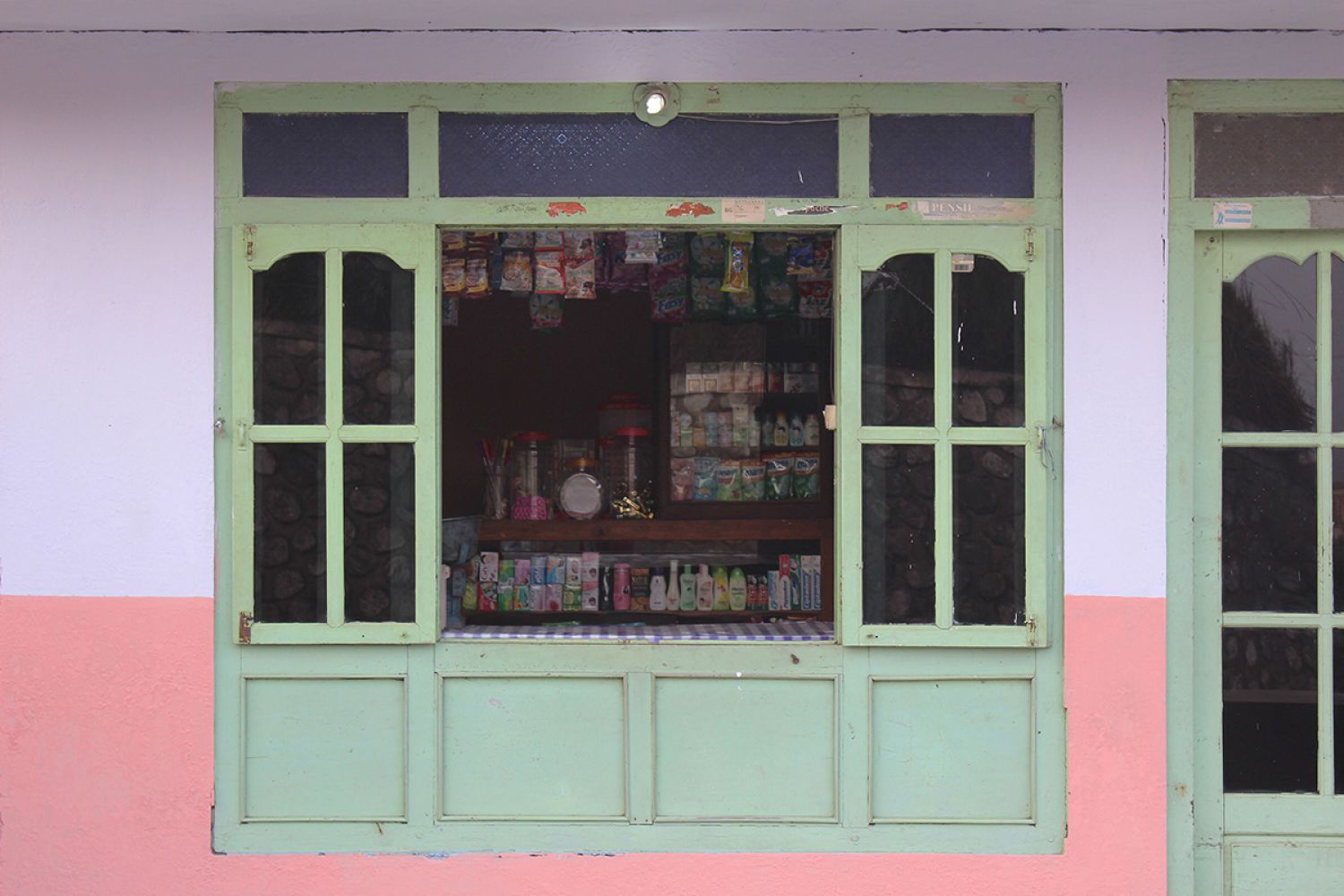
In the high-altitude villages, behind the windows: translucent curtains in purple, emerald green and turquoise filter the light into the simple interiors of houses and guesthouses. In the small shops, only the essentials for a brief subsistence: food, toiletries, laid out on tables and in shop windows, or hanging from the ceiling, on strings: dried noodles and bottles of shampoo. An old aluminium kettle steaming. And all around, fields of onions and garlic, starting to sprout.
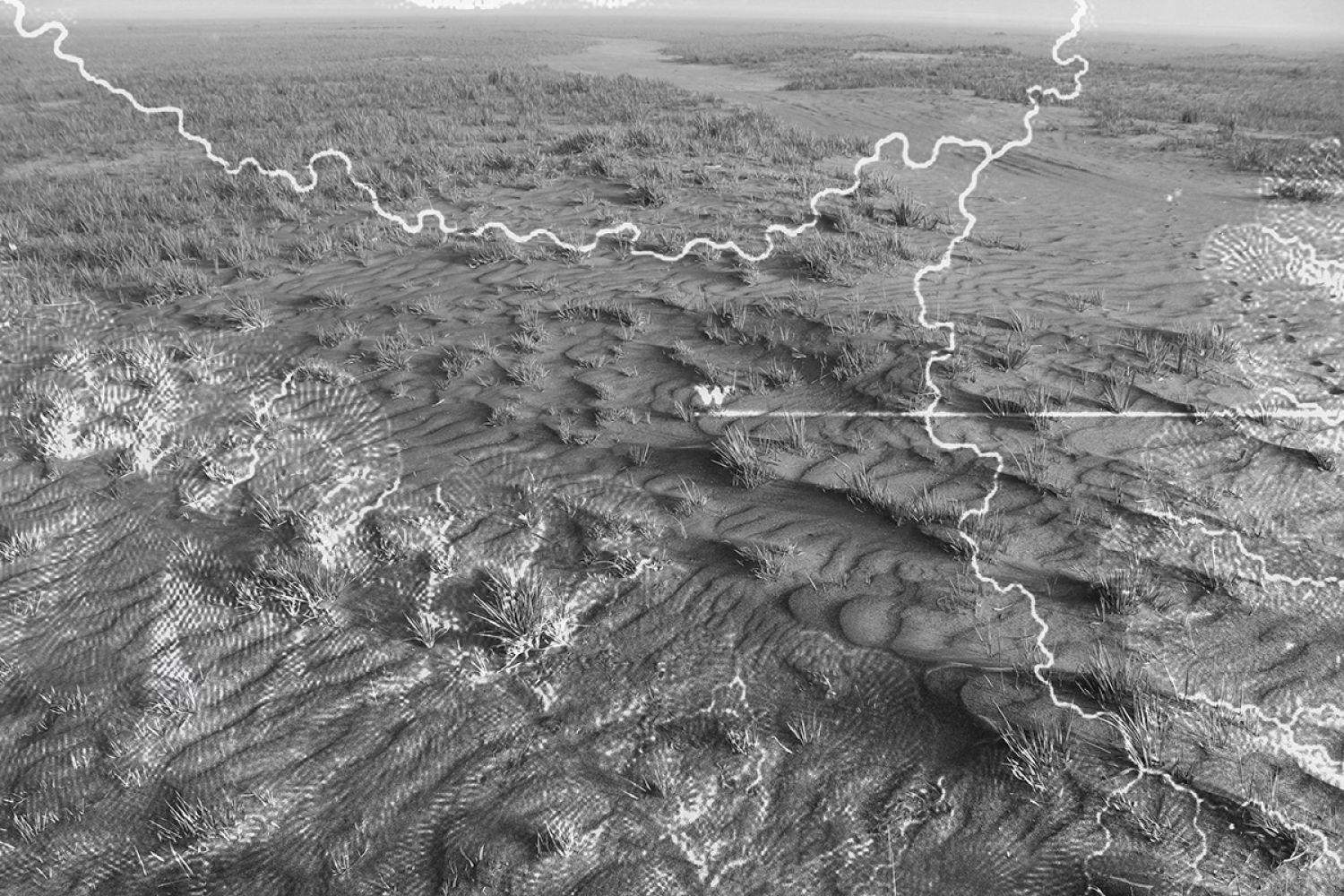
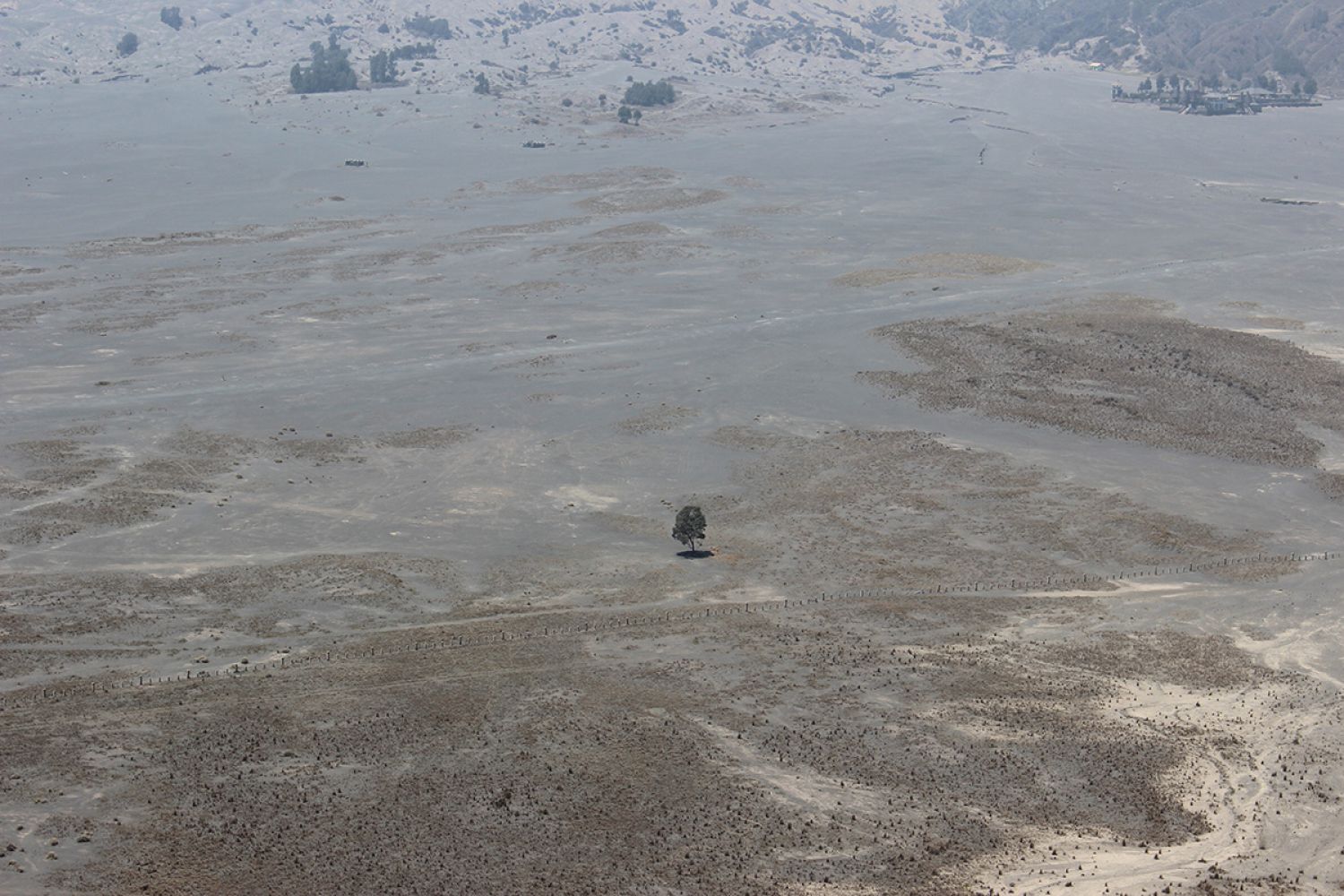
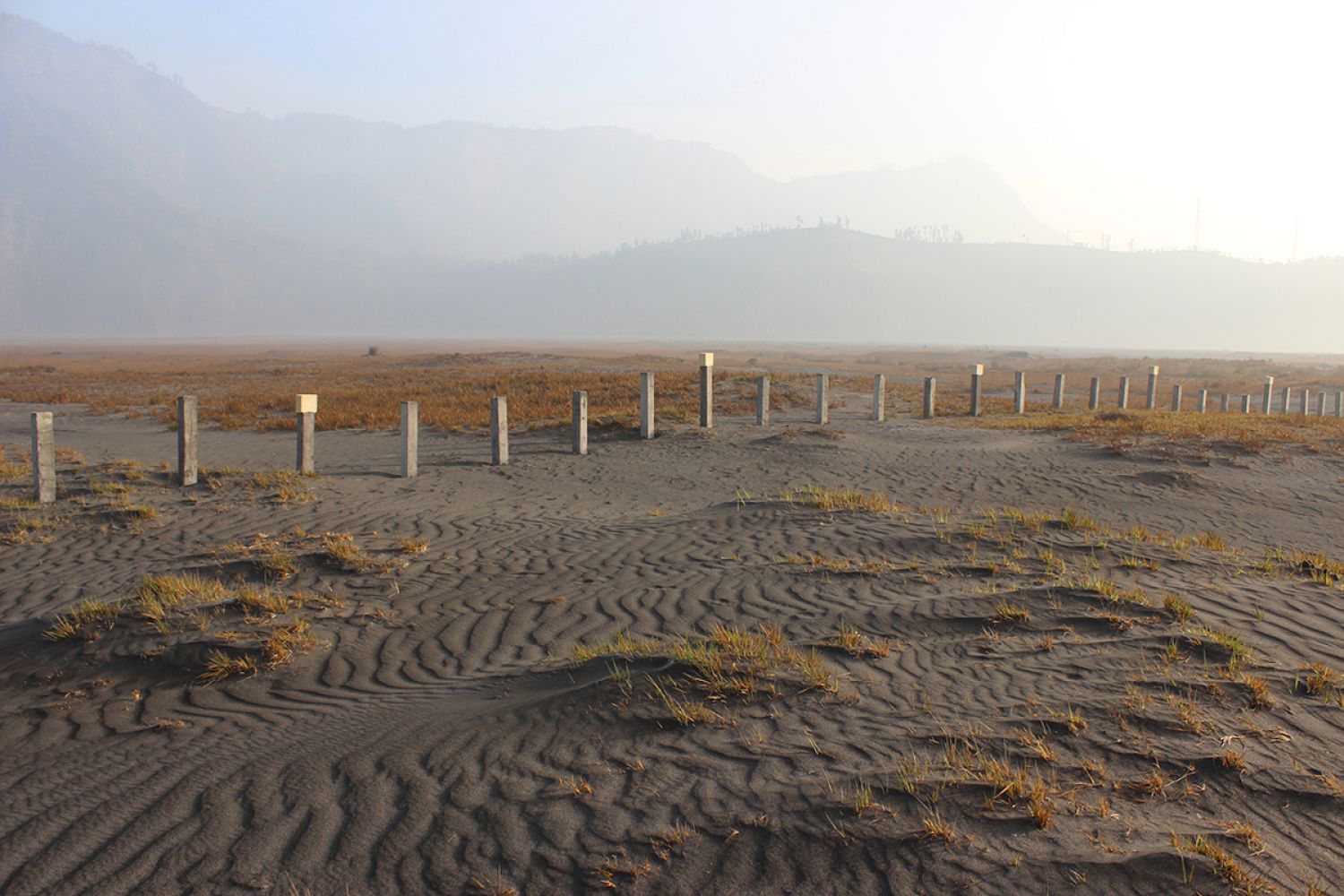
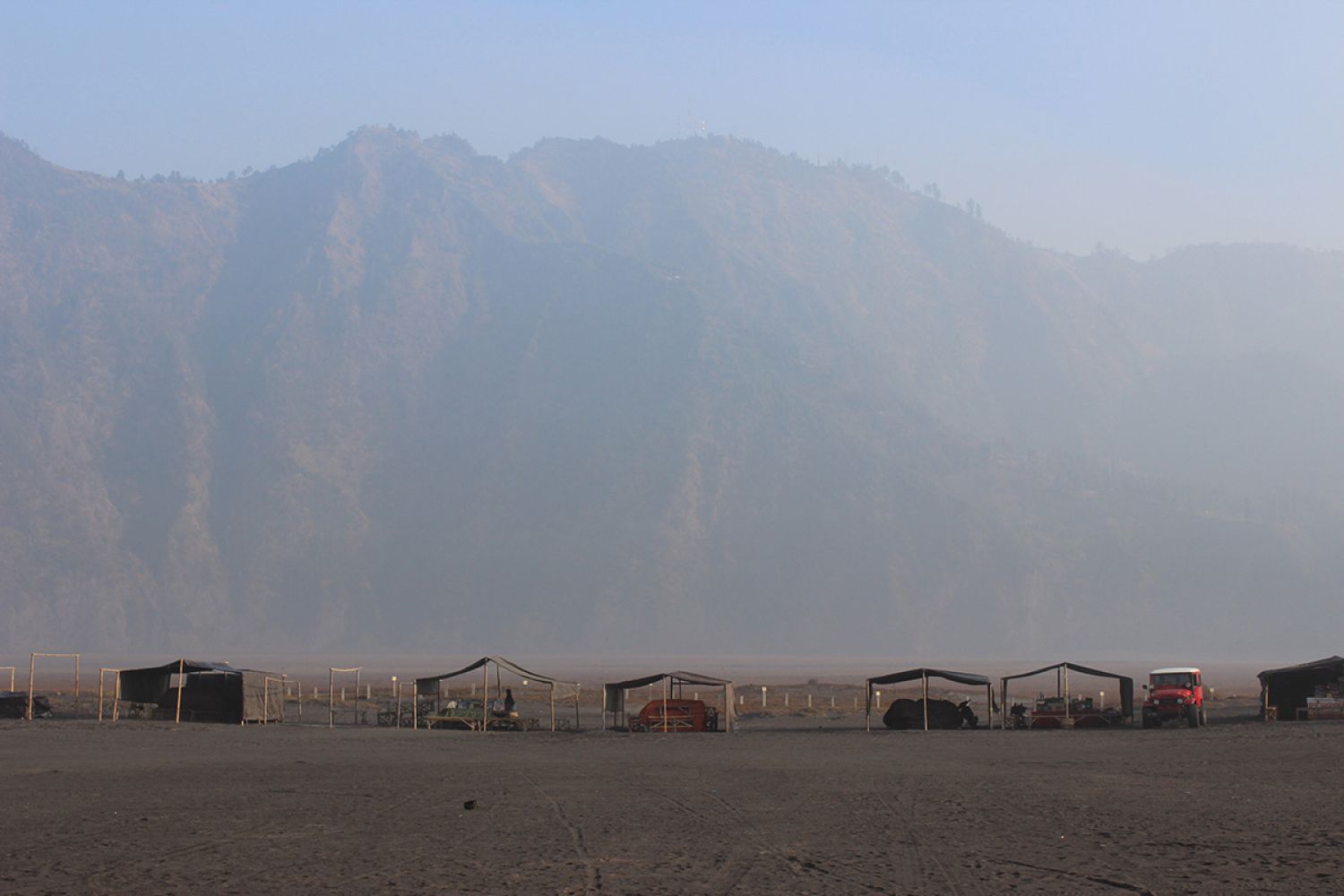
Contained by the mountains and the immense Tengger caldera, Bromo nestles among a cluster of volcanic structures, surrounded by a flat, dusty desert. Across this vast Sea of Sand, human paths are traced into the landscape. Jeep tracks and horse hooves tearing through the sparse, low vegetation.
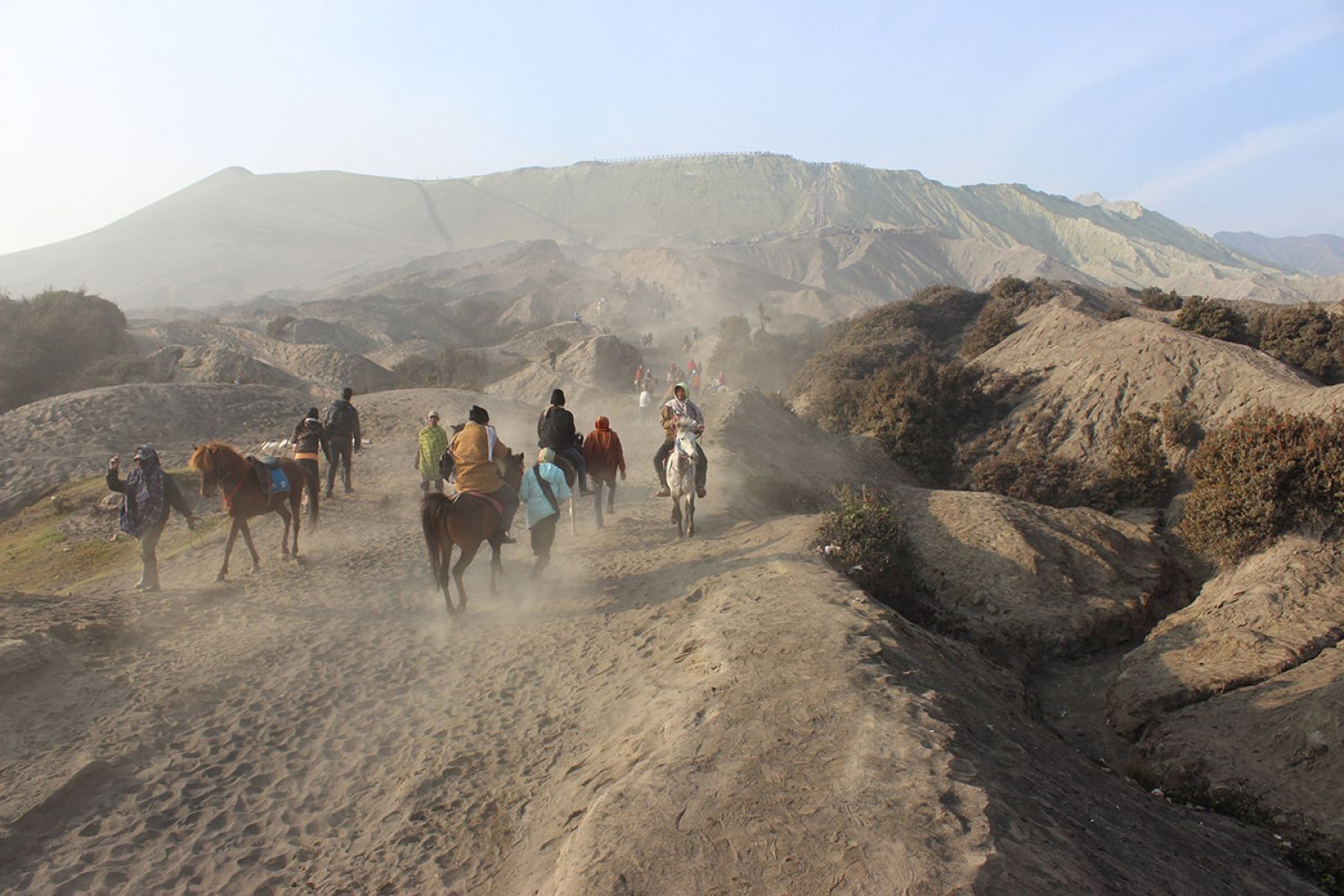
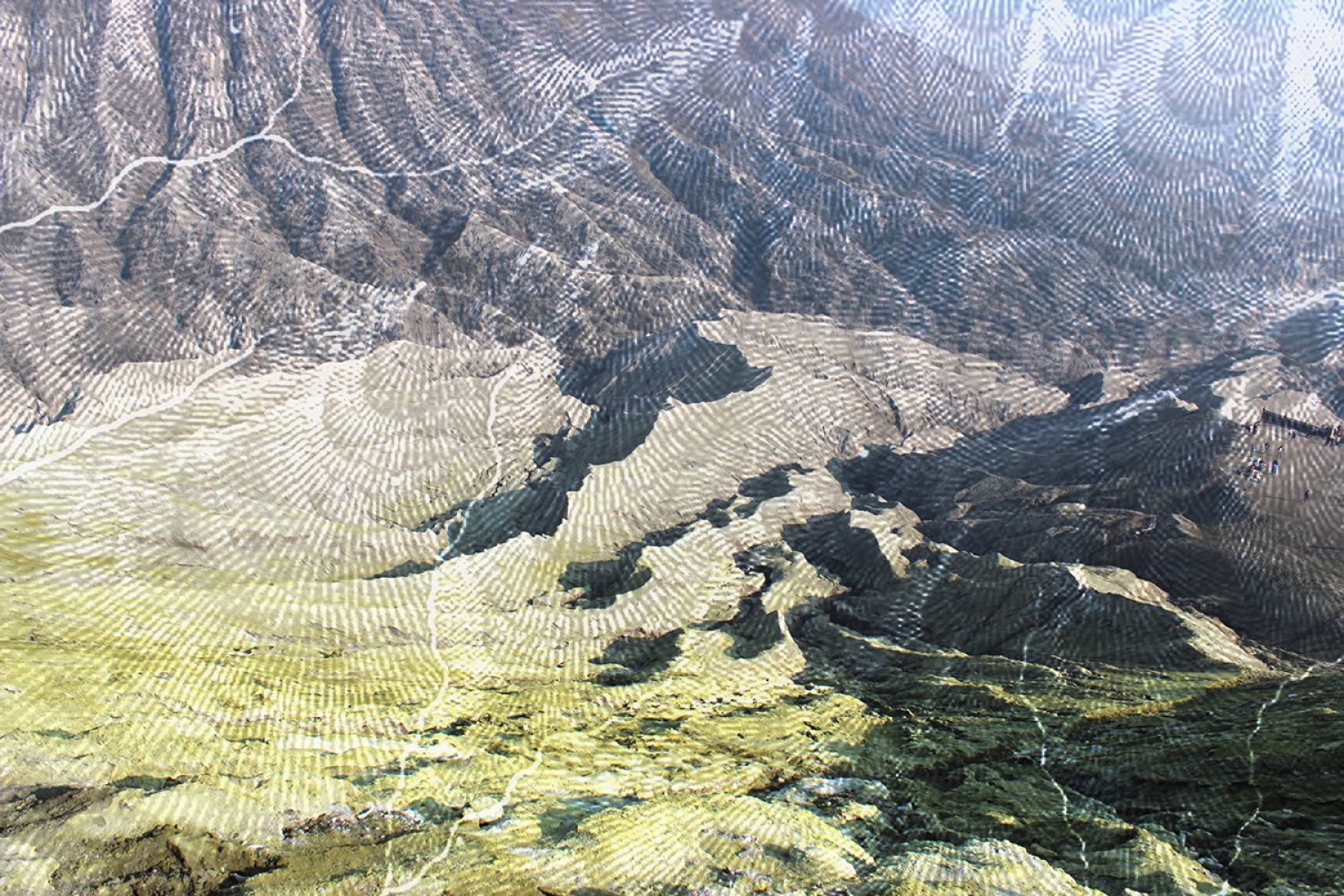
Balaclavas, scarves, hoods and caps envelop the crowds and the wonder of pilgrimage and tourism, and of tourism as pilgrimage, with no distinction. On the plain, the waiting. Between the comings and goings, timed between the temple on the plateau and the summit of the sacred mountain.
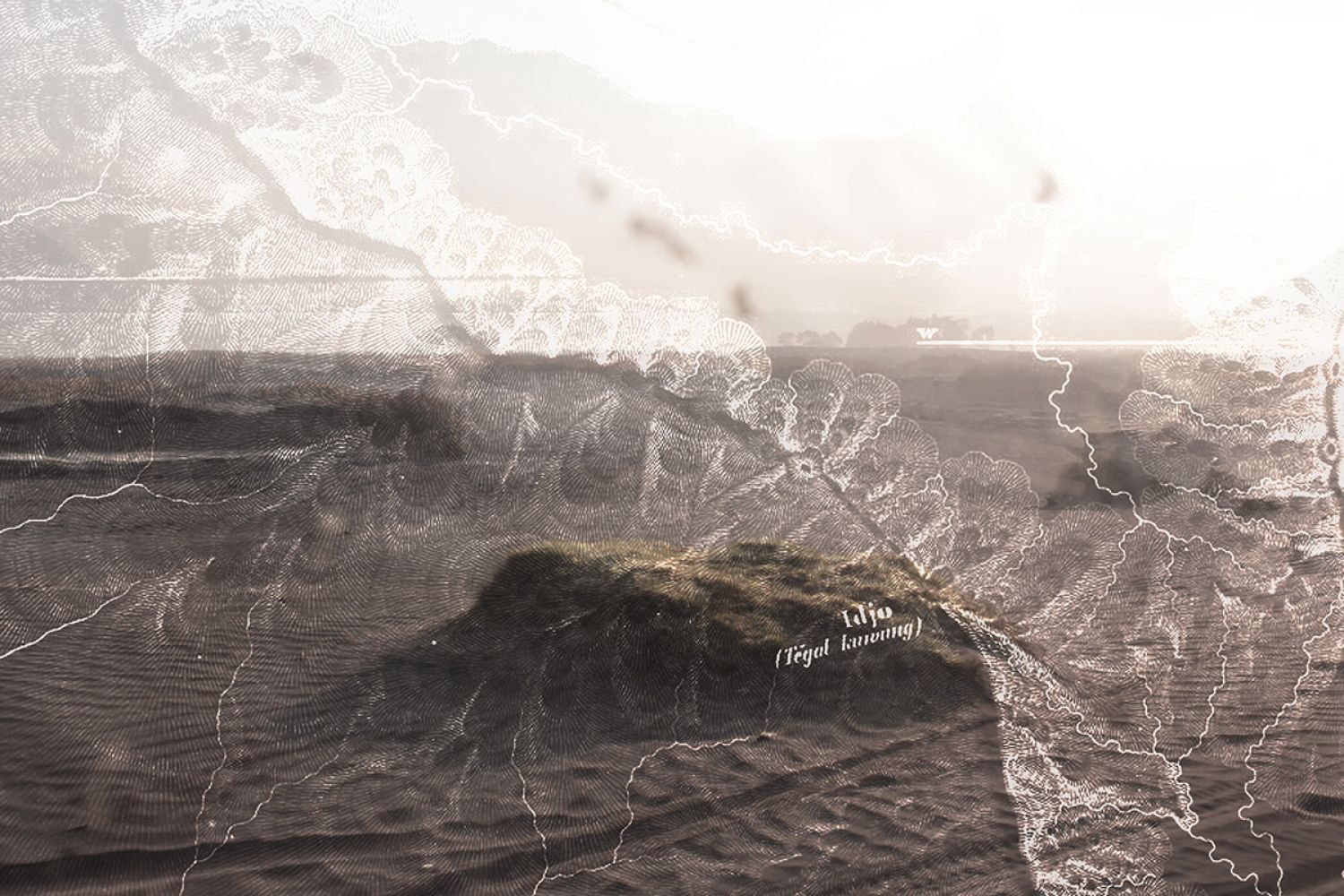
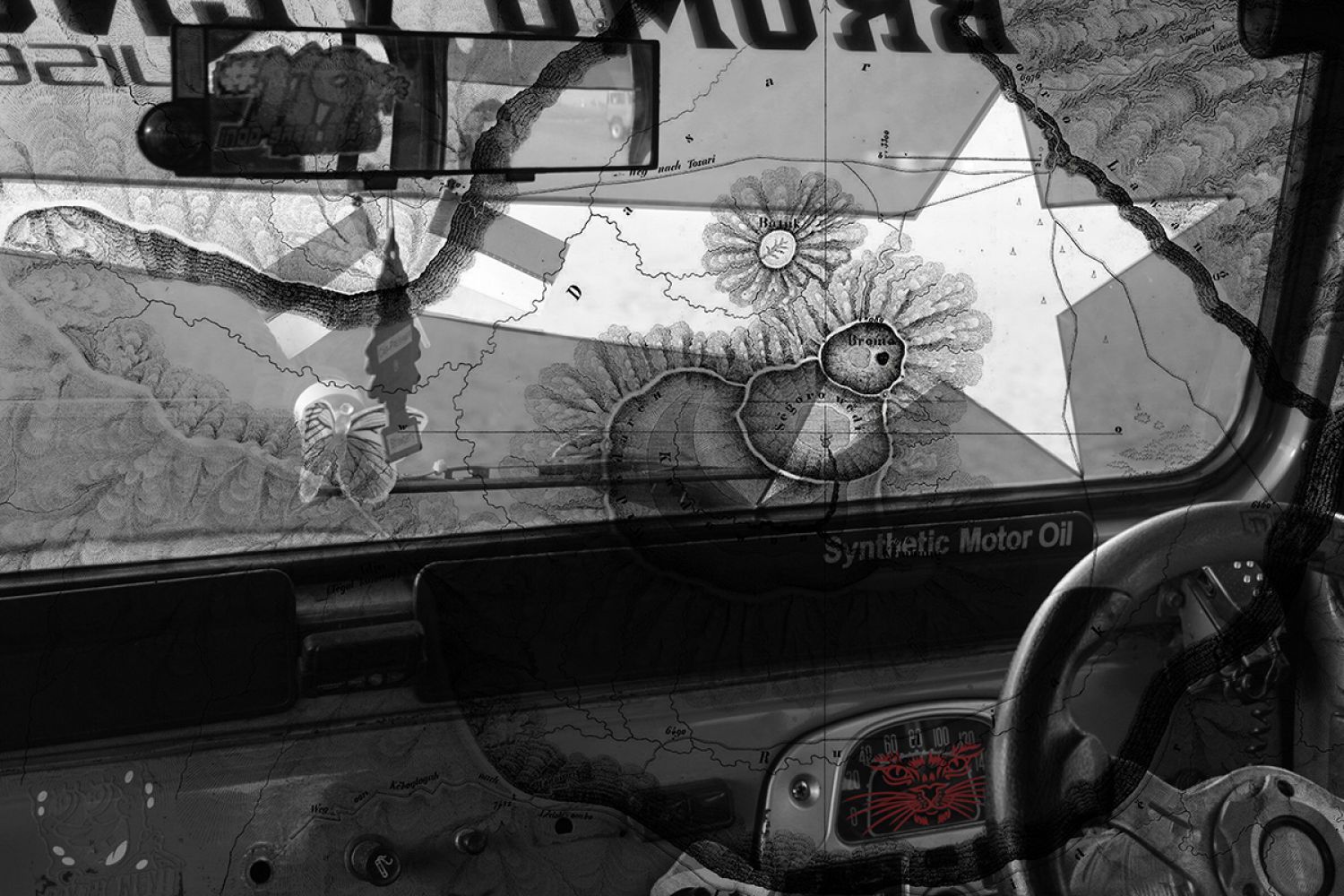
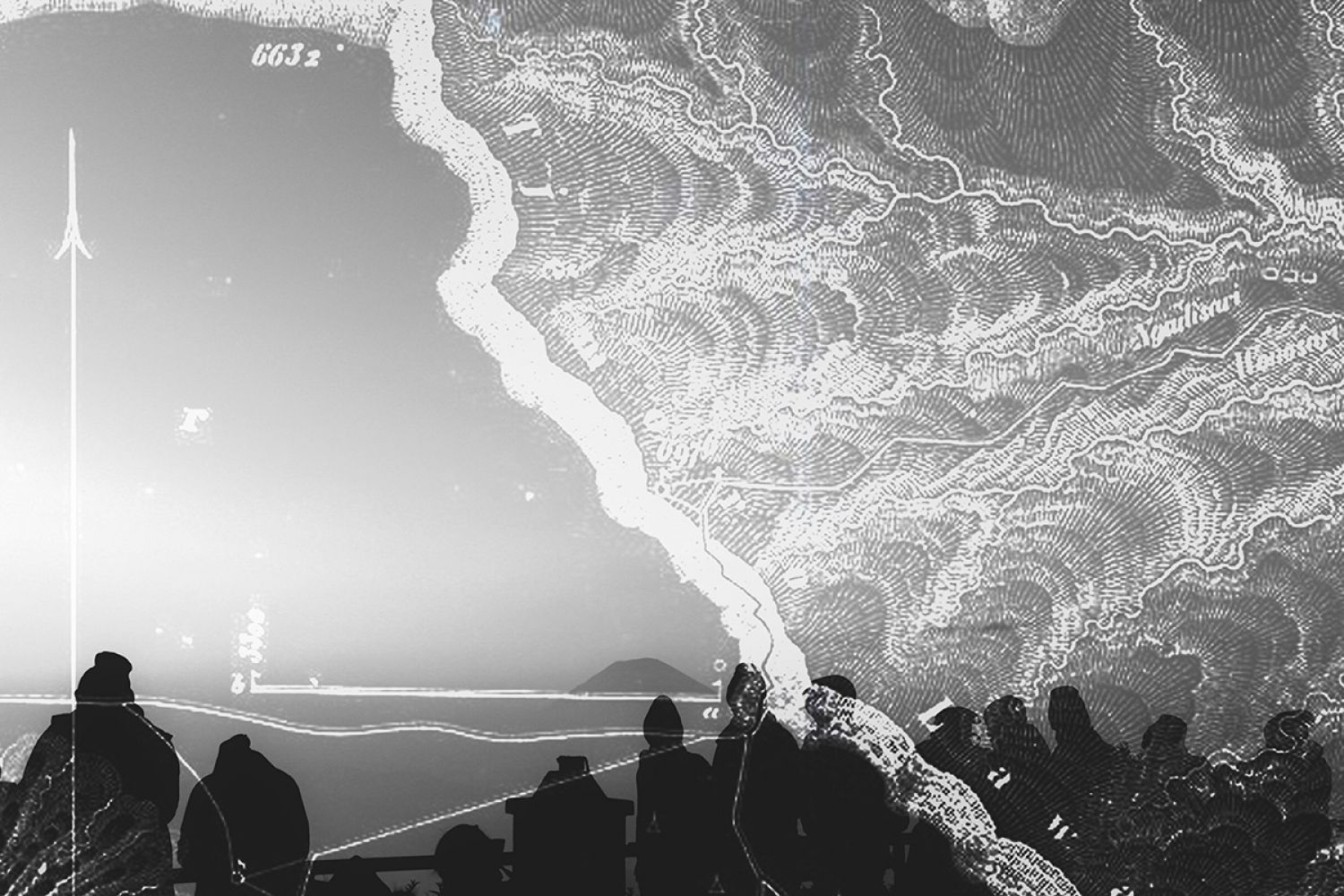
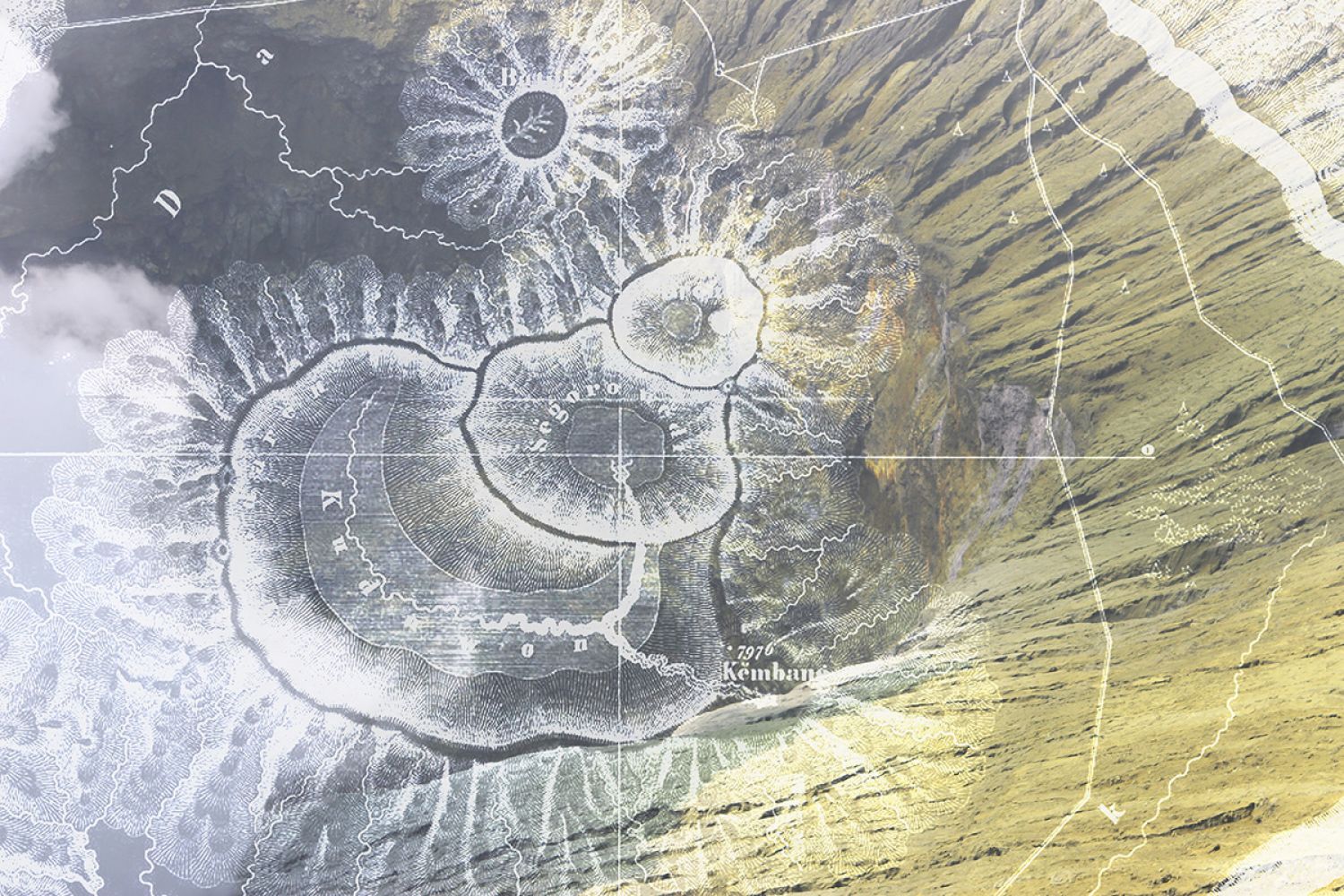
On the map, Bromo and its sibling peaks resemble organs, flowers, shells, forms drawn as entanglements of geology and botany.
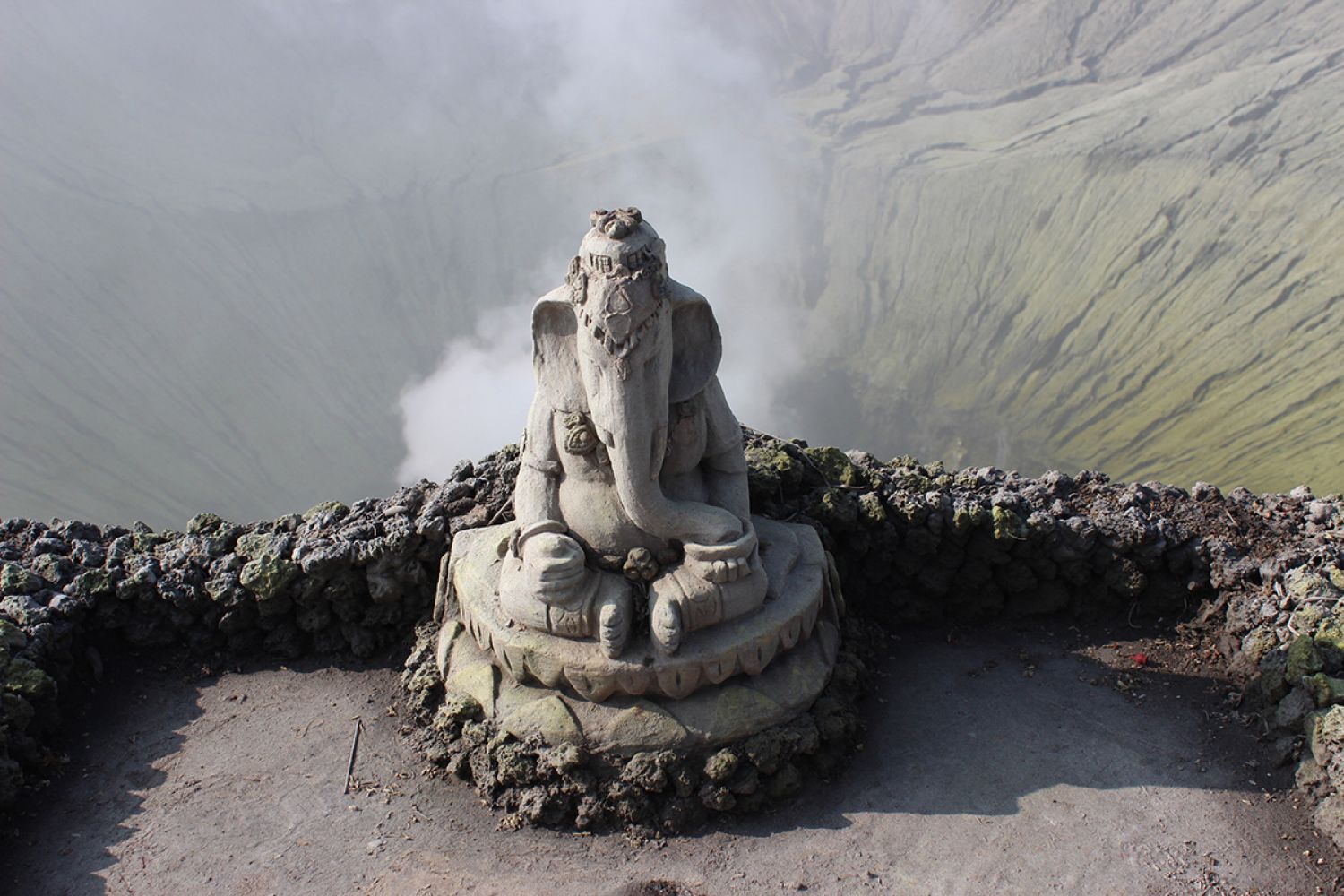
At the centre of the journey, a sulphurous mouth. And at its edge, the figure of an elephant god – beside which crimson incense burns – said to be capable of removing obstacles.
How does one inhabit (within)a volcano?
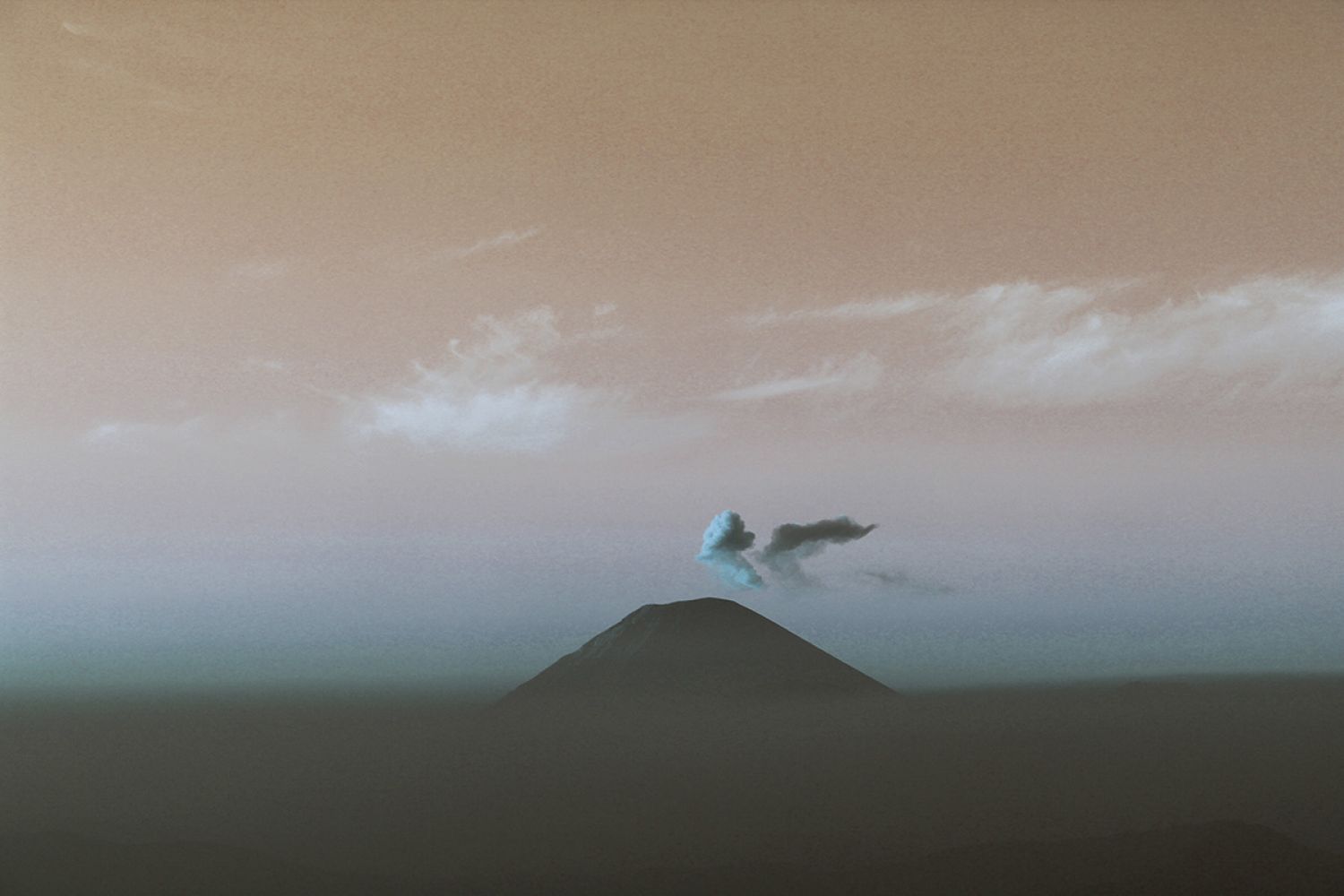
Lightly, with a constant sense of transience and mobilization, and a latent nomadism, as one who sleeps leaned against the gentle warmth of an unpredictable entity, breathing with its throat wide open.
…
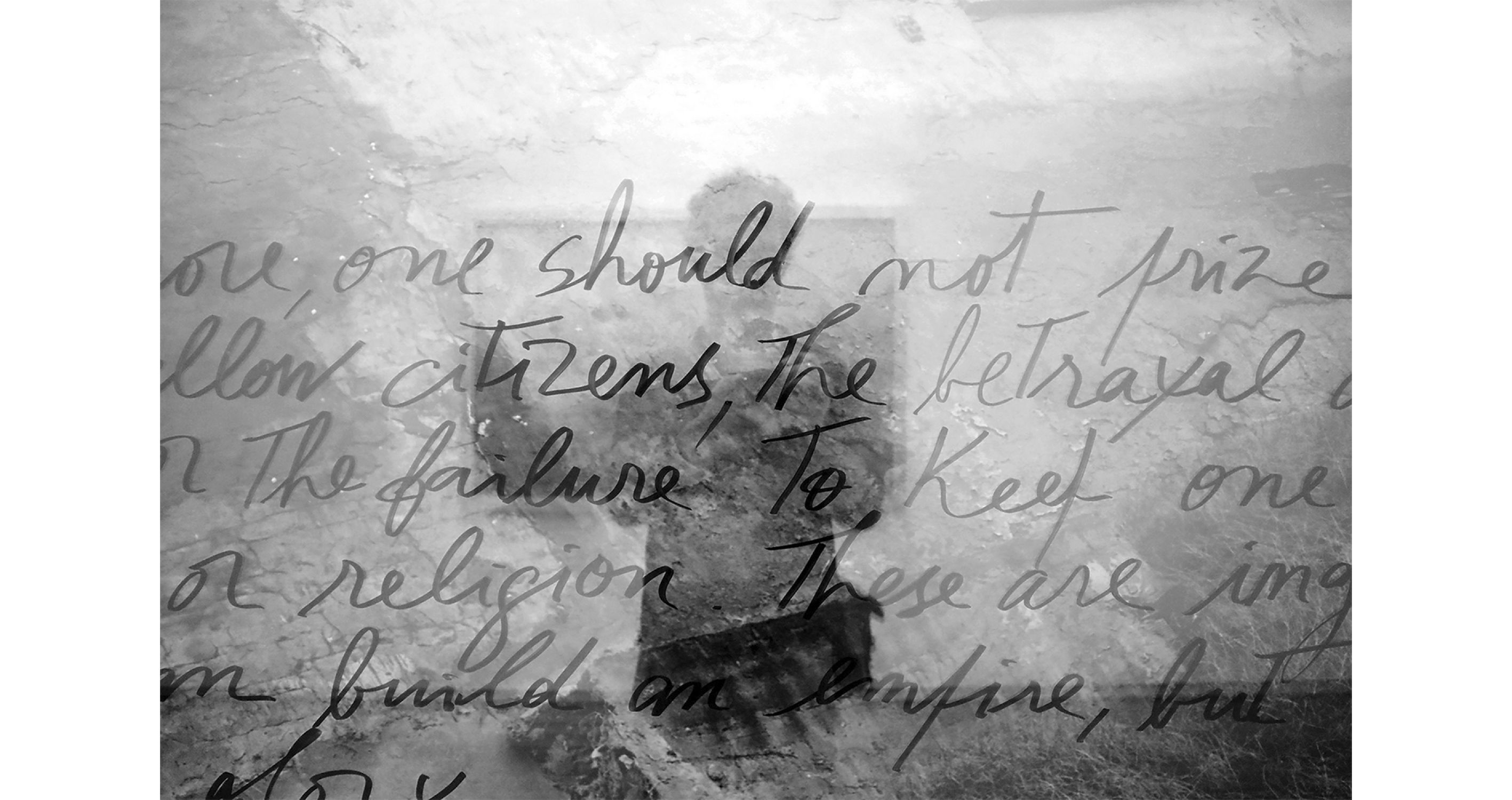
Essay and digital collage based on photographs, taken with a Canon EOS Kiss X5, 18–55mm lens: in October 2015, before the last eruption that led to the closure of the area; and cartography of the “Tengger Mountains”, by Franz Wilhelm Junghuhn: 1844, Java: its Physical Features, Vegetation and Internal Structure.
…
Note: Mount Bromo is one of the most visited sites in the East Java region, both as a tourist destination and a Hindu pilgrimage site. | Friedrich Franz Wilhelm Junghuhn (1809–1864) was a German physician and naturalist, who was posted to the territory of Indonesia (then under Dutch East Indies rule) after enlisting in the colonial army, following an escape from prison and a brief period in the French Foreign Legion. Settling on the island of Java, where he conducted research in anthropology, botany and geography, Junghuhn became a critical opponent of the project of christian and islamic conversion of the javanese people, including the Tengger - who profess a syncretic form of hinduism incorporating elements of buddhism and animism, and who found themselves taking refuge in the mountains as a result of the occupation of the lowlands by dutch plantations and madurese labourers.