“There is a kind of stupefaction in seeing a familiar being dressed differently.”
Roland Barthes, Camera Lucida
It is the middle of the night, and I still cannot sleep. I squeeze my eyelids shut and breathe according to a rhythm I impose upon myself to force myself to rest. In the darkness, I hear the silent, regular breathing of my wife, who has been asleep beside me for hours. She has had a complicated day: tests in the morning, work, an appointment at midday, work, an unusual consultation at a hospital in Lisbon, traffic, home.
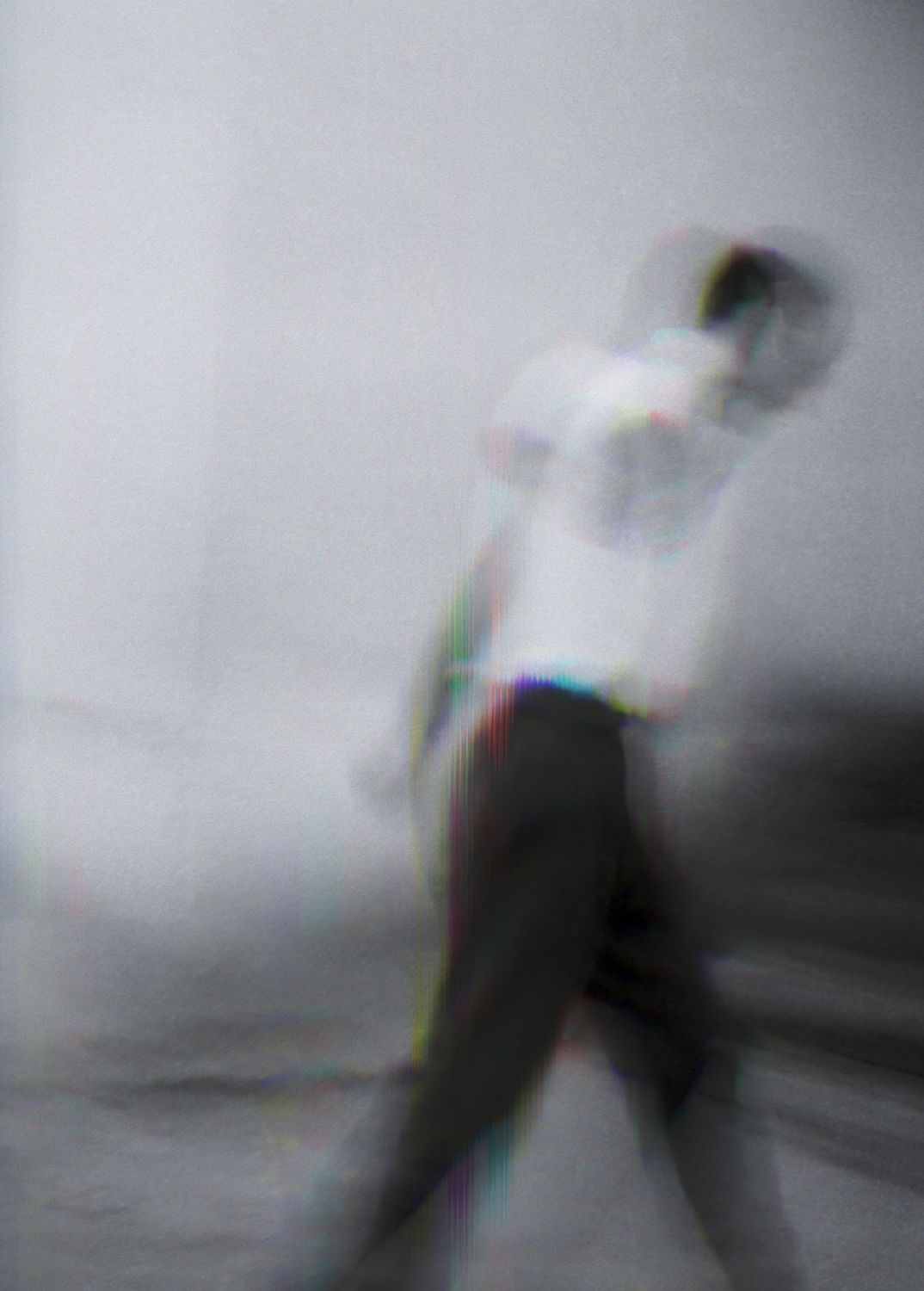
After dinner, she showed me the devices attached to her body, whose purpose is to record the palpitations of her heart. The way she undressed and the kind of light that illuminated her skin gave rise to a terrible urge to take a photograph of her. She loved the photograph, but expressed a certain modesty at the thought of that photograph leaving our private niche.
In the darkness, the image I captured of her returns to my mind with fabulous clarity. Almost involuntarily, I place my hand on her chest to feel the beating of her heart. I find it. Her blood pulse passes into my hand, generating a feeling of relief in me. My diagnosis is that she is healthier than ever. And I tell myself that any anomaly recorded by those cold devices would be an error of technology, nothing more.
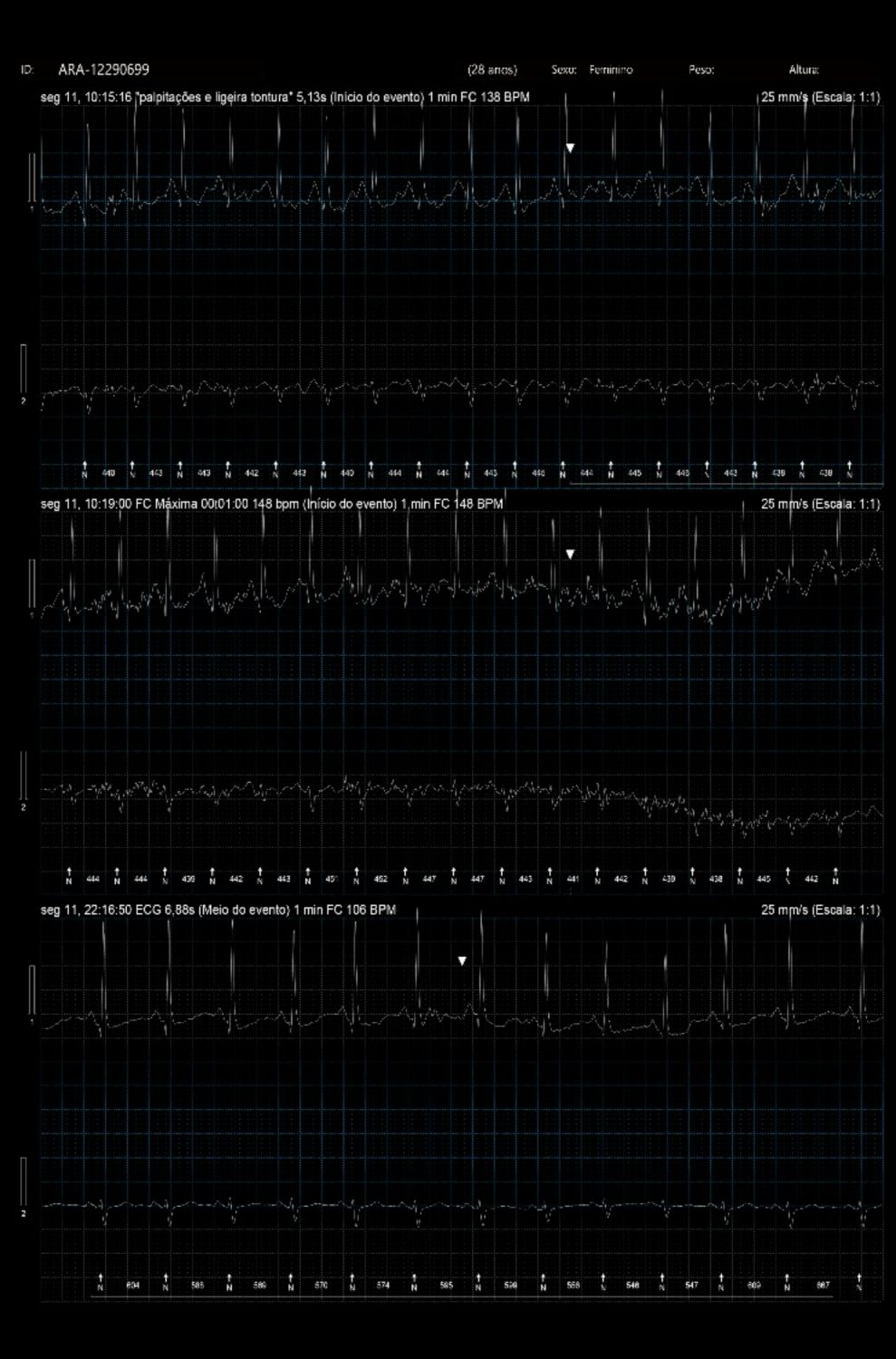
Nevertheless, the cables and contact sensors intrigue me. For twenty-four hours, they will collaborate to compose and record a score that no one else can perform, except for the pulse and resonance of her body. That is why it has been said that music is the most primitive art, because all we need to do is listen to our bodies to hear their elements. Certainly, it will not be a conventional score.
The information will be translated graphically into a kind of spectrum. Eventually, someone will read it and provide a diagnosis. In the darkness, I see those trembling lines forming a kind of mountain range on the laboratory paper.
I hear distant noises: footsteps in the street, the wind swaying the trees, and the engines of night buses. Soon, the first airplanes will be heard flying over Lisbon. And a little later, the birds and everyday life.
In the increasingly less dense darkness of the room, the image returns and, although the photograph shows her without a head, I see her whole, with her face illuminated by the light of the lamp. She smiles with a certain expression of sadness. Her eyes tell me the truth.
I also see – imagine – the graph that the device records every second. Added to this is a deep, abstract sound, almost like a heartbeat. Could it be that a new image has been born in my head? Could someone else see it just as I see it?