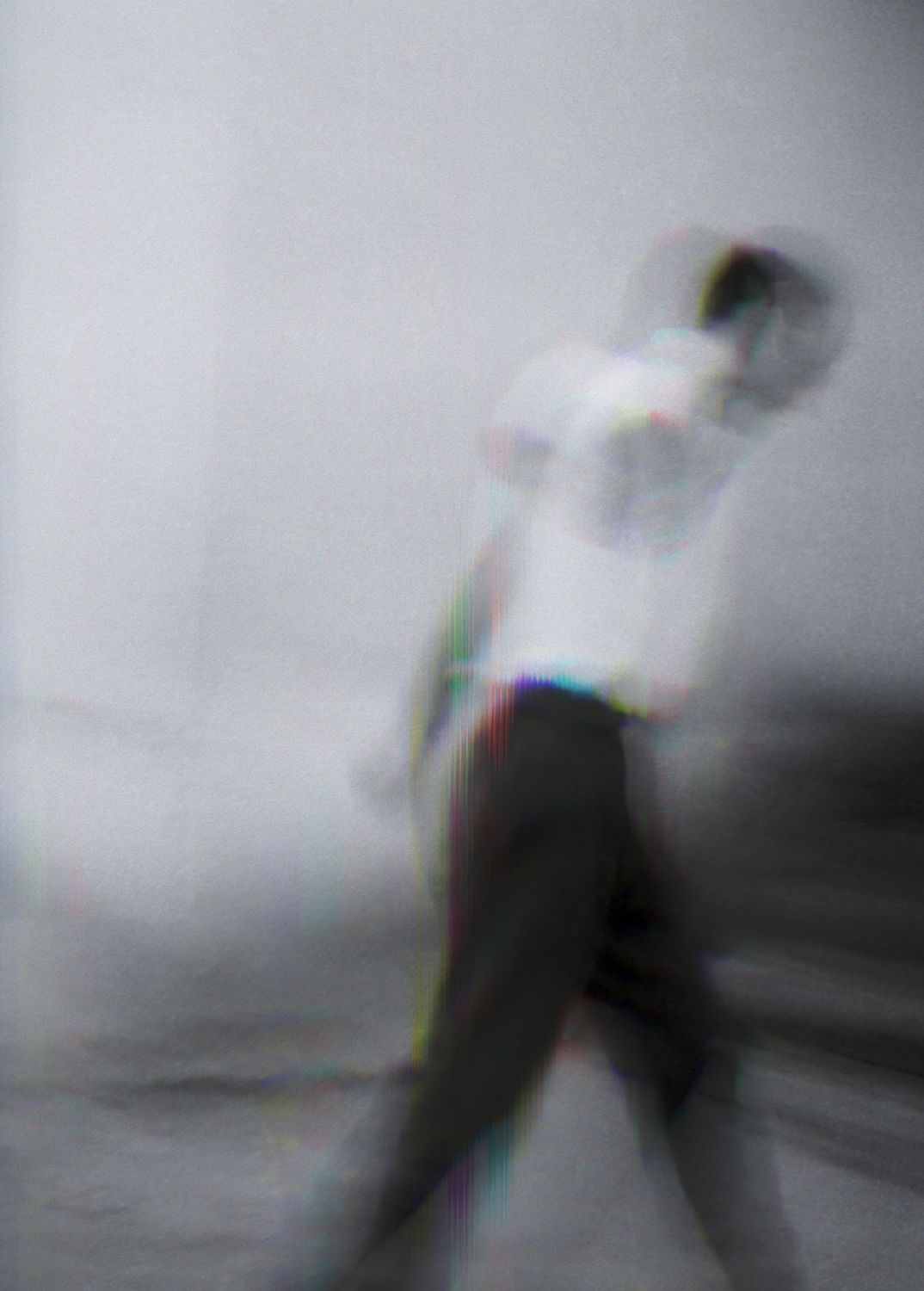

Avenida de Ceuta
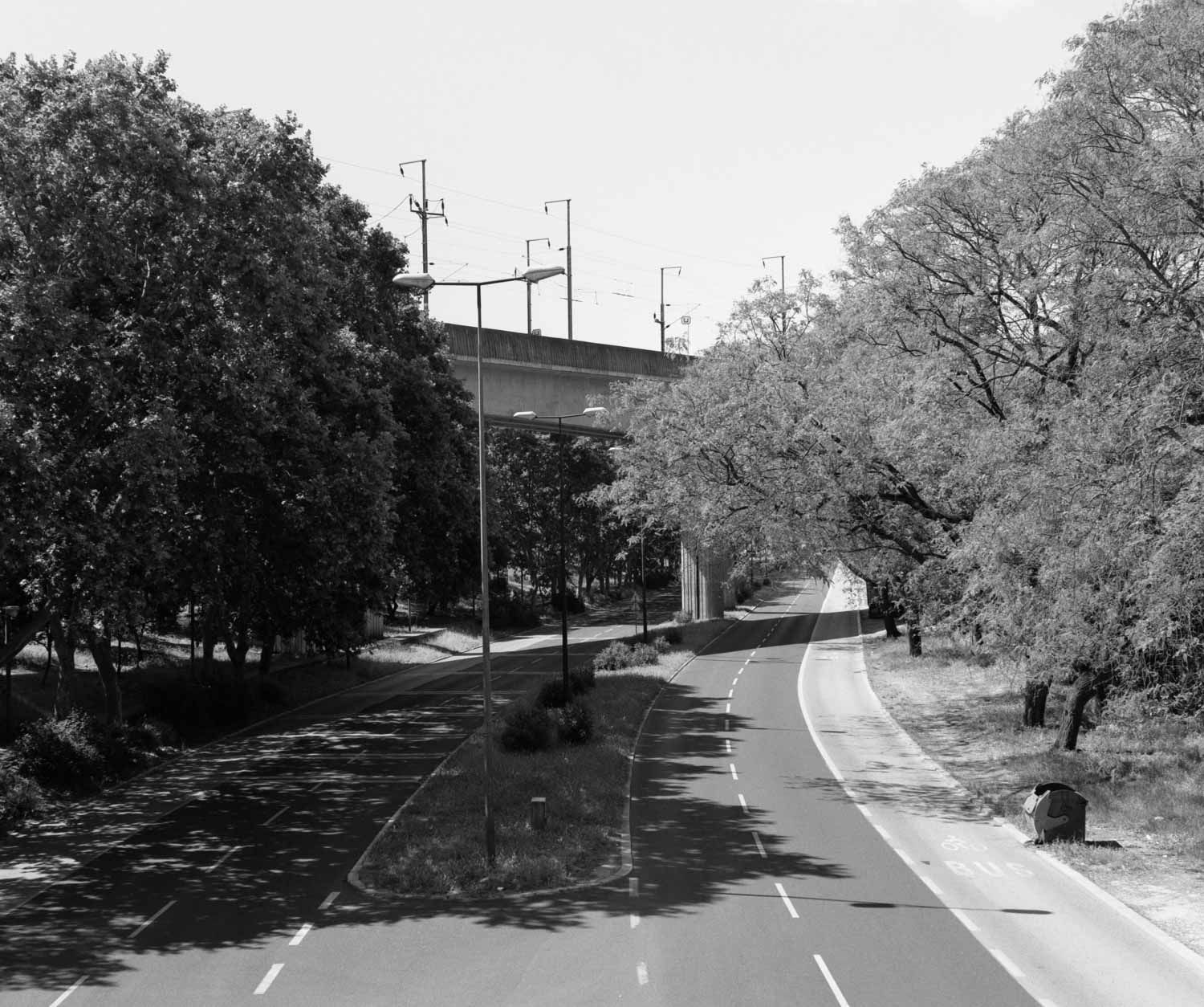
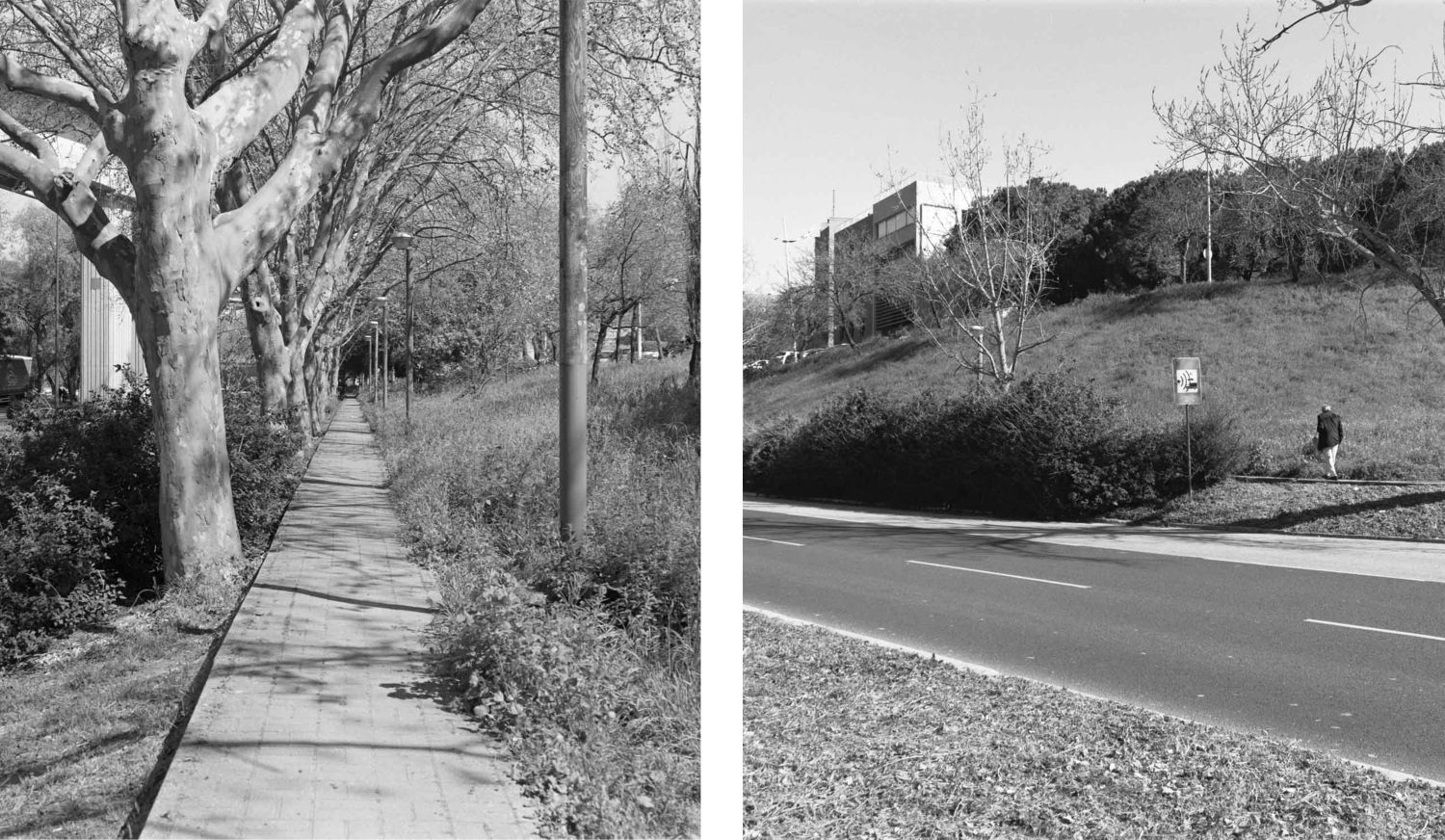
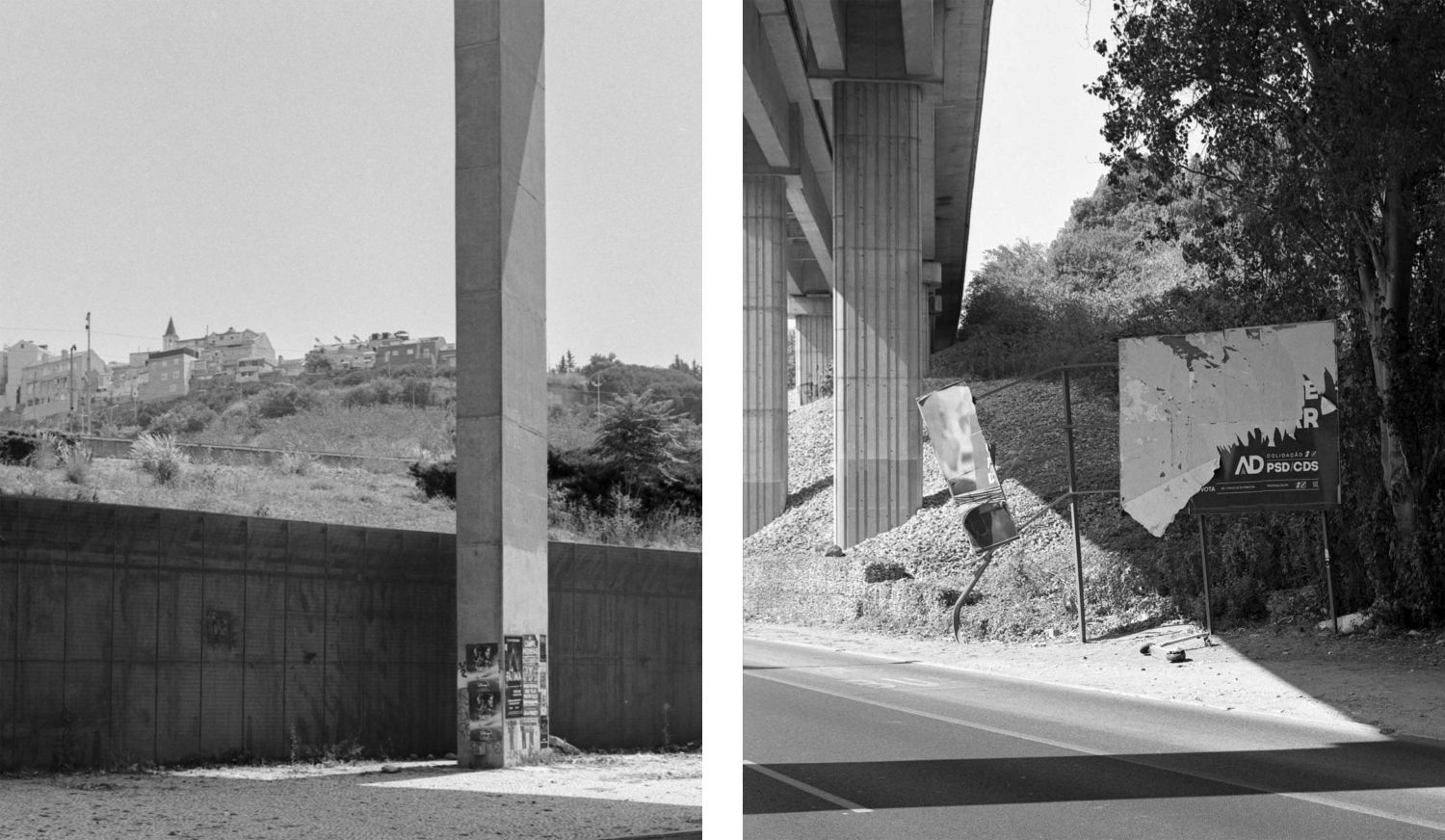
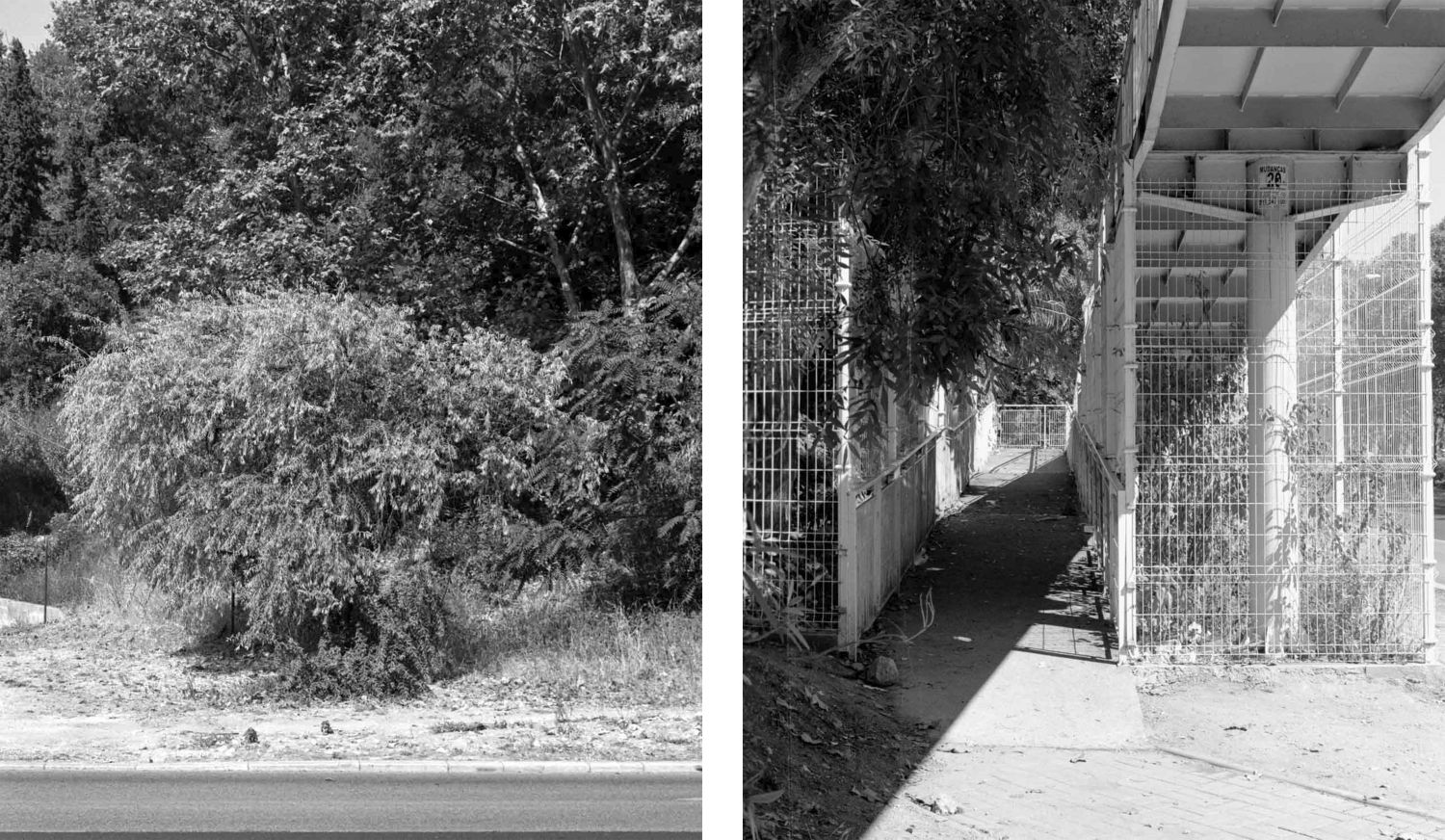
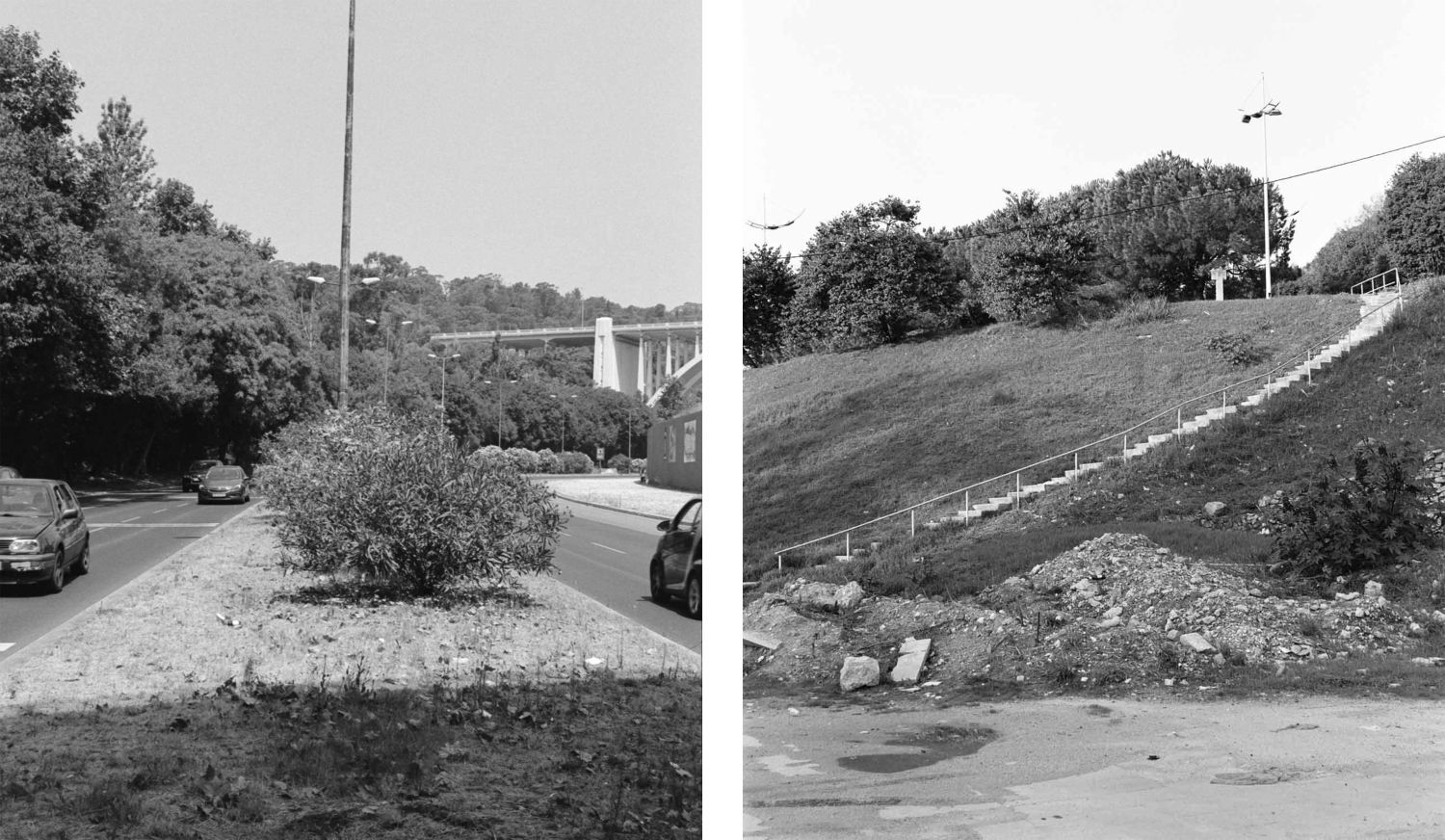
For several years, beginning in 2020, cycling or walking up and down Avenida de Ceuta in Lisbon was part of my daily routine. It is one of the city's green corridors, an integral section of the fourth ring road of Lisbon, where three lanes in each direction are often not enough to accommodate the volume of traffic and the urgency of those passing through. There is a palpable sense of haste among drivers on the avenue, as if they are moving through a place that exists primarily as a transit route for entering or leaving the city. On Fridays, queues heading towards the 25 de Abril bridge stretch along the avenue, and pedestrians simply trying to cross it can find themselves stuck for long periods of time.
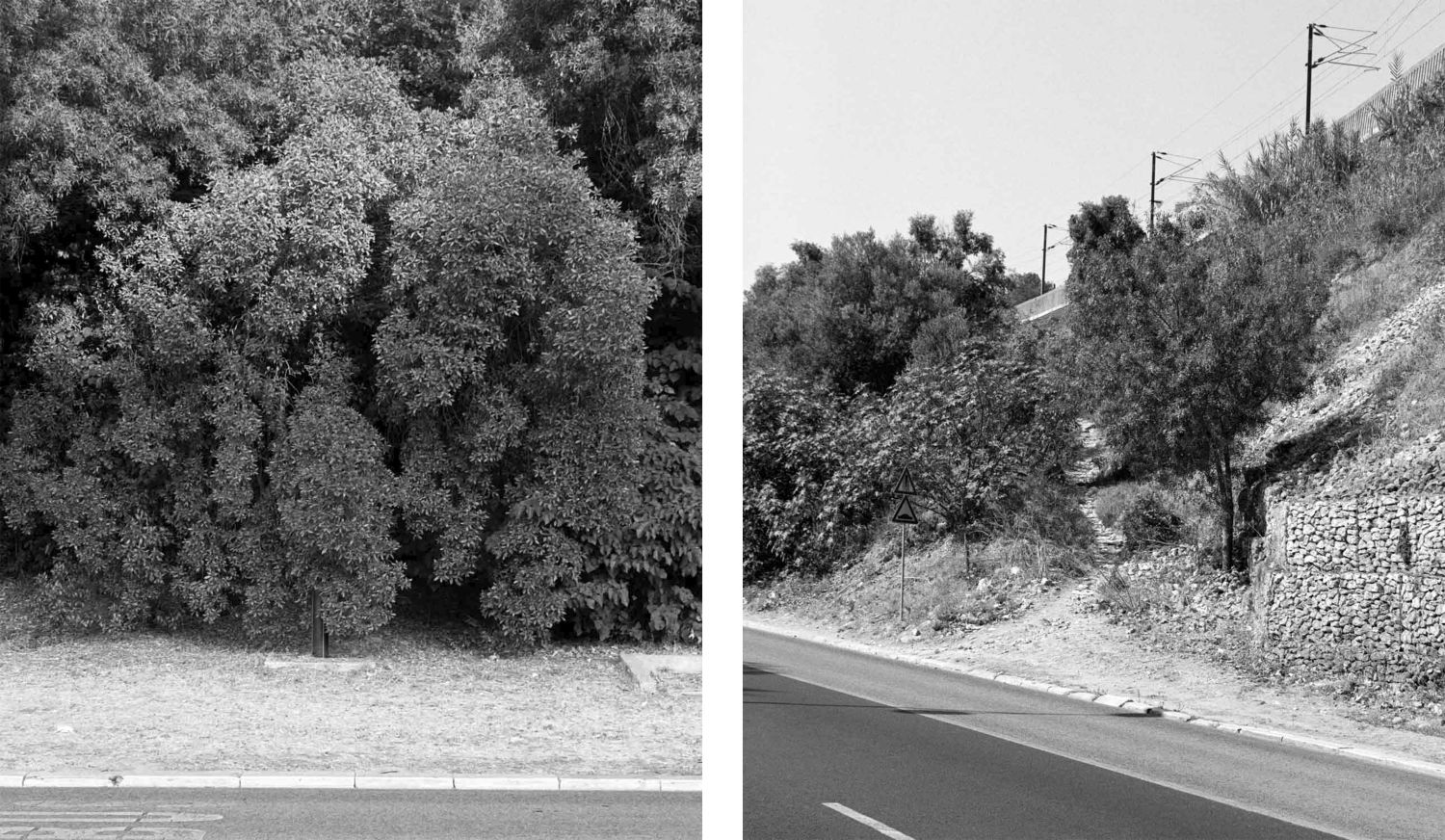
Yet beyond the trees, there is little to suggest the avenue is a green corridor at all. The pavements are uneven and incomplete, pedestrian crossings are scarce, and some bus stops remain isolated with no clear route leading to them. Between the volume of traffic and the difficulty of getting around on foot, the avenue remains above all a channel for the flow of vehicles.
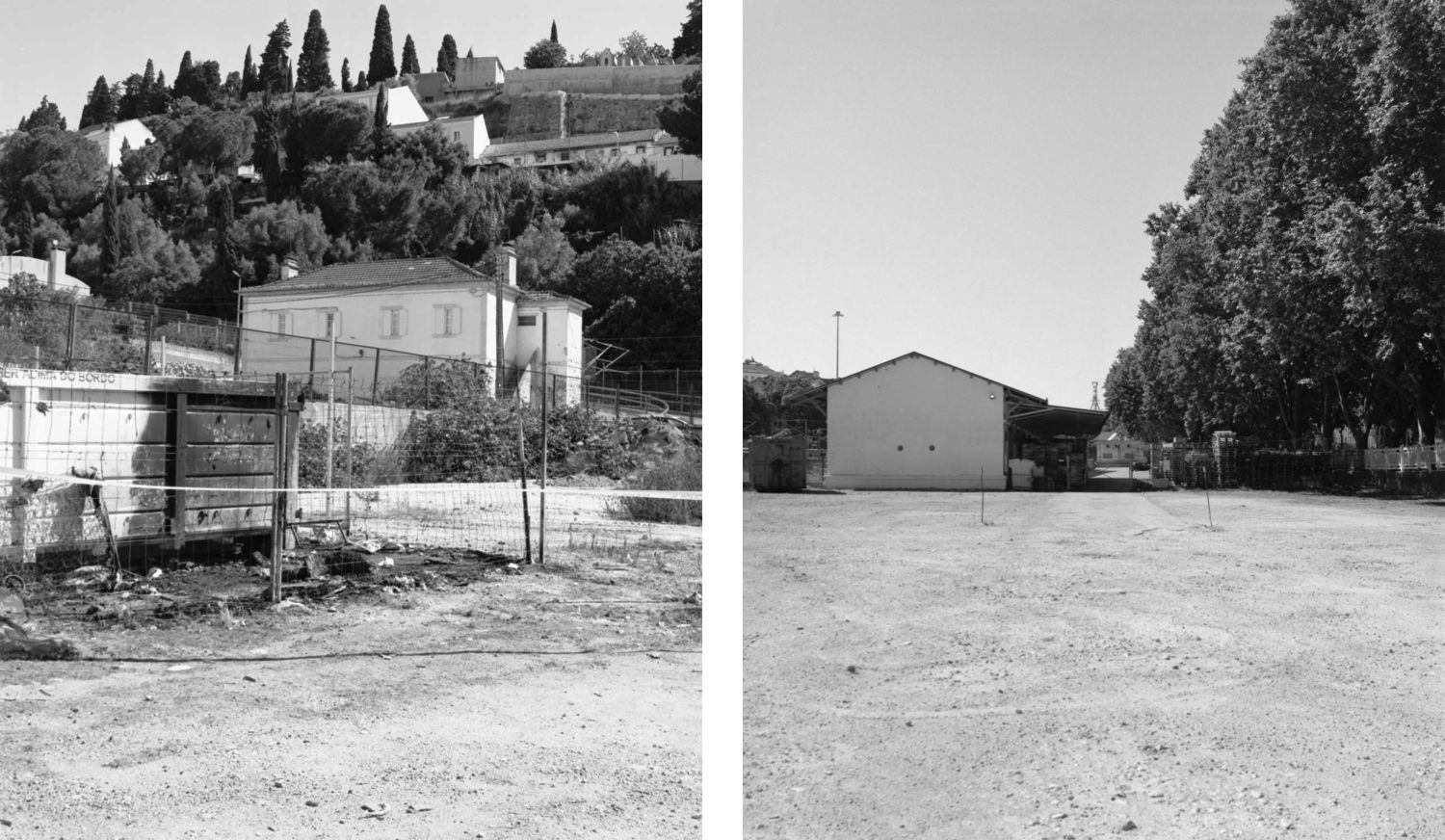
What first led me to photograph Avenida de Ceuta were the barriers erected around the viaducts, where people gathered daily to use drugs by the roadside. Fences were installed, and other sheltered areas were filled with earth in an effort to prevent their use. As these areas were gradually sealed off, I began paying closer attention to the forest and the small stretch of Monsanto Forest Park that runs alongside much of the avenue. The people who had once remained near the viaducts moved into more secluded and dispersed areas of the forest, building makeshift shelters farther from the view of those passing by.
It is a landscape in constant transformation, where the trees mark the passage of the seasons. In spring and summer, dense vegetation conceals shelters and the people who inhabit them. In autumn and winter, when the leaves fall, they are revealed once again. Some improvised structures last for months, others only for days. The people remain, but the places they occupy are constantly shifting.
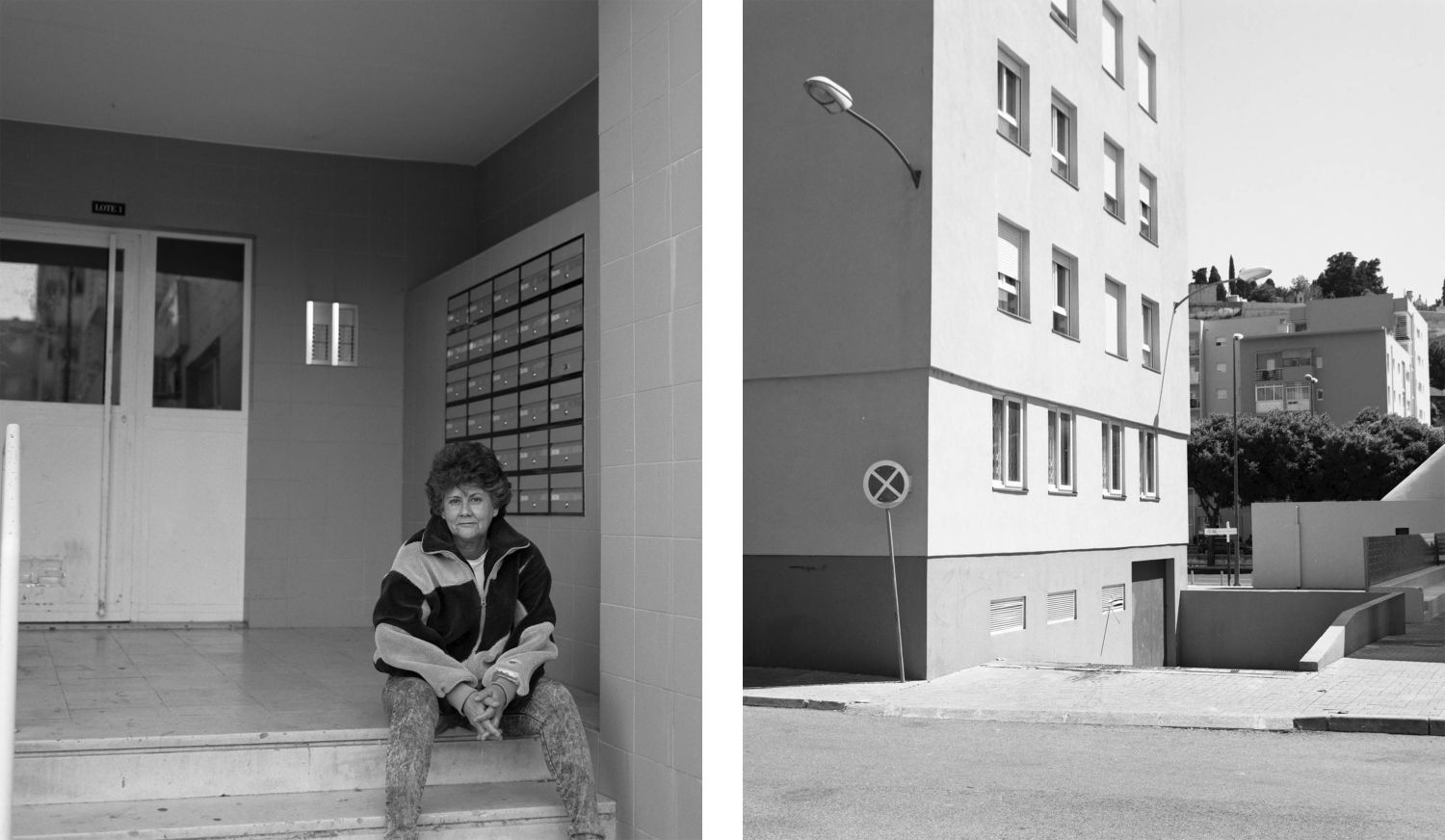
I continue to return to the avenue and photograph it, aware that there is still much to learn about it. More recently, the project has expanded into the three neighbourhoods built around it in the late twentieth century. I have spent increasing amounts of time with the people who live there, listening to their stories and gaining a deeper understanding of the area and its history.