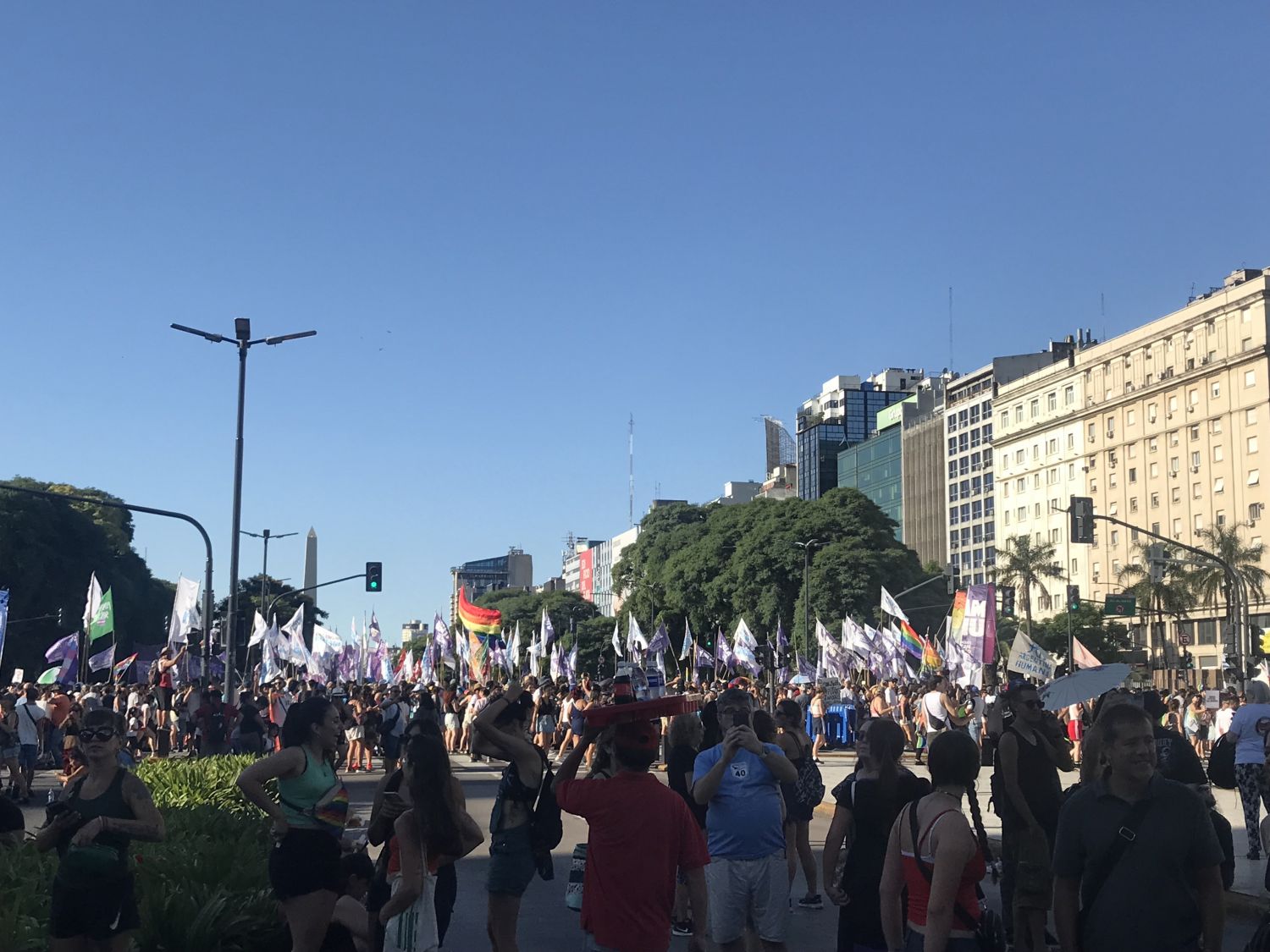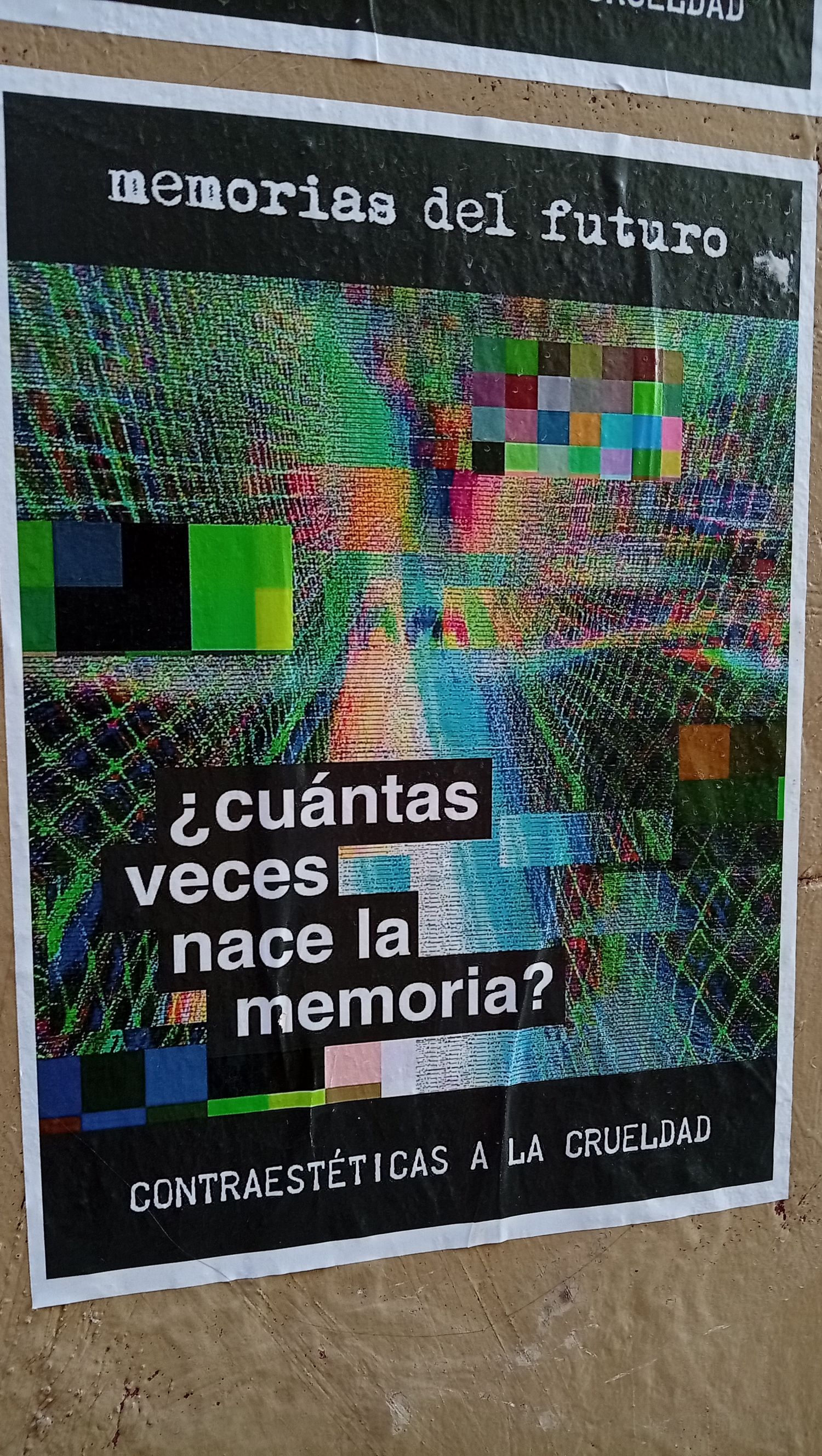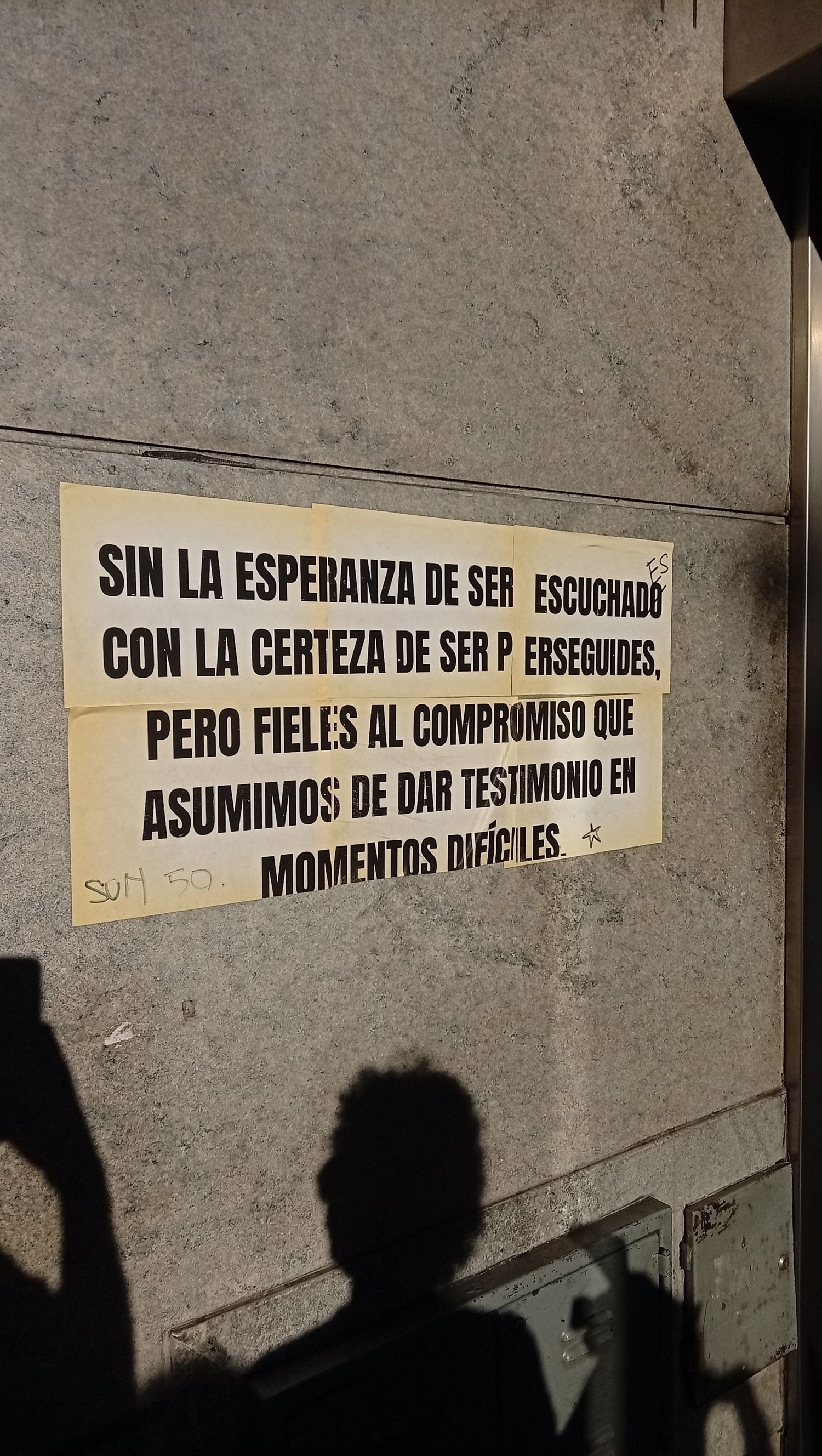

9 de Julio Avenue
The postcard
I search for images of Buenos Aires online to see what comes up: the Obelisk, framed by an urban valley, is the city's iconic landmark. Buenos Aires is almost 500 years old; the Obelisk just turned 90. We porteños (residents of Buenos Aires) often say that 9 de Julio Avenue is the widest avenue in the world, but we never ask ourselves, "How was it built? What was there before?”
The urban design of Buenos Aires stems from the so-called "Laws of the Indies," which established the grid pattern as a way to regulate the territory. Blocks of one hundred meters by one hundred meters, with narrow streets, still characterize the city center. If Buenos Aires is almost 500 years old, why do its oldest buildings date back no more than 150 years?
1880 marks the end of half a century of civil wars; the National State will take the capital city of its largest province and transform it into the Federal Capital. To end the conquest begun in 1492, Argentina carried out a genocide against the indigenous populations. The Generation of the 80s, as we call it, narratively organized the country around a sense of belonging to this diffuse thing for Latin Americans called western civilization. By importing urban planners, architects, engineers, and landscape designers raised on Haussmann's Parisian reforms, Buenos Aires shaped its slogan of being the Paris of South America.
The expansion of downtown Buenos Aires will be the local expression of the territorial design of the entire country. The great landowning fortunes that appropriate the conquered territory in “the interior” will also gain strength through real estate speculation on the still-rural lands that will become the future metropolis. The 9 de Julio Avenue is thus proposed as the new organizing axis that crosses the city center to connect the southern and northern vectors of the new urban development.
Over time, I've become quite mystical about architecture. The protest chants of past generations still echo through the streets of our cities. “A spectre is haunting 9 de Julio Ave.” could be the beginning of the manifesto for the Argentine branch of the international federation of ghosts. There is a possible narrative that can be pieced together from these processes of destruction and what was experienced in this part of the city once it was built. This place is a mirage through which we delve into the vortex where the pasts and possible futures of our city connect. From everything that resonates today in this urban valley, I will highlight some specific scenes, a whimsical but quite characteristic curation of this space.
Infamous decade
On September 6, 1930, the first coup d'état of the 20th century took place starting what we call the “infamous decade”. Argentine neoconservatism will draw inspiration from the new deal to promote large public works that will revitalize the economy crippled by the 1929 crash.
The San Nicolás neighborhood was centered around the Catholic church that gave it its name. It was in this colonial convent that the Argentine flag was raised for the first time in Buenos Aires. This site was the epicenter from which the 9 de Julio Avenue project began to take shape. The widest avenue in the world was built by evicting, eradicating, expelling, terrorizing, demolishing, collecting rubble, and dumping them into the river.
Behind every great work of engineering lies the human-machine muscles that bring it to life. Those taut fibers of ligaments of flesh and metal still vibrate. The resonances in workers chests with each hammer blow still resonate and can be felt even today on the avenue. These images from the 1930s could be mistaken for a war scene. But our Europeanized culture doesn't extend to its habit of destroying cities through wars. What is always expressed in Buenos Aires is this cannibalistic urbanism founded by our Third World Haussmanns.
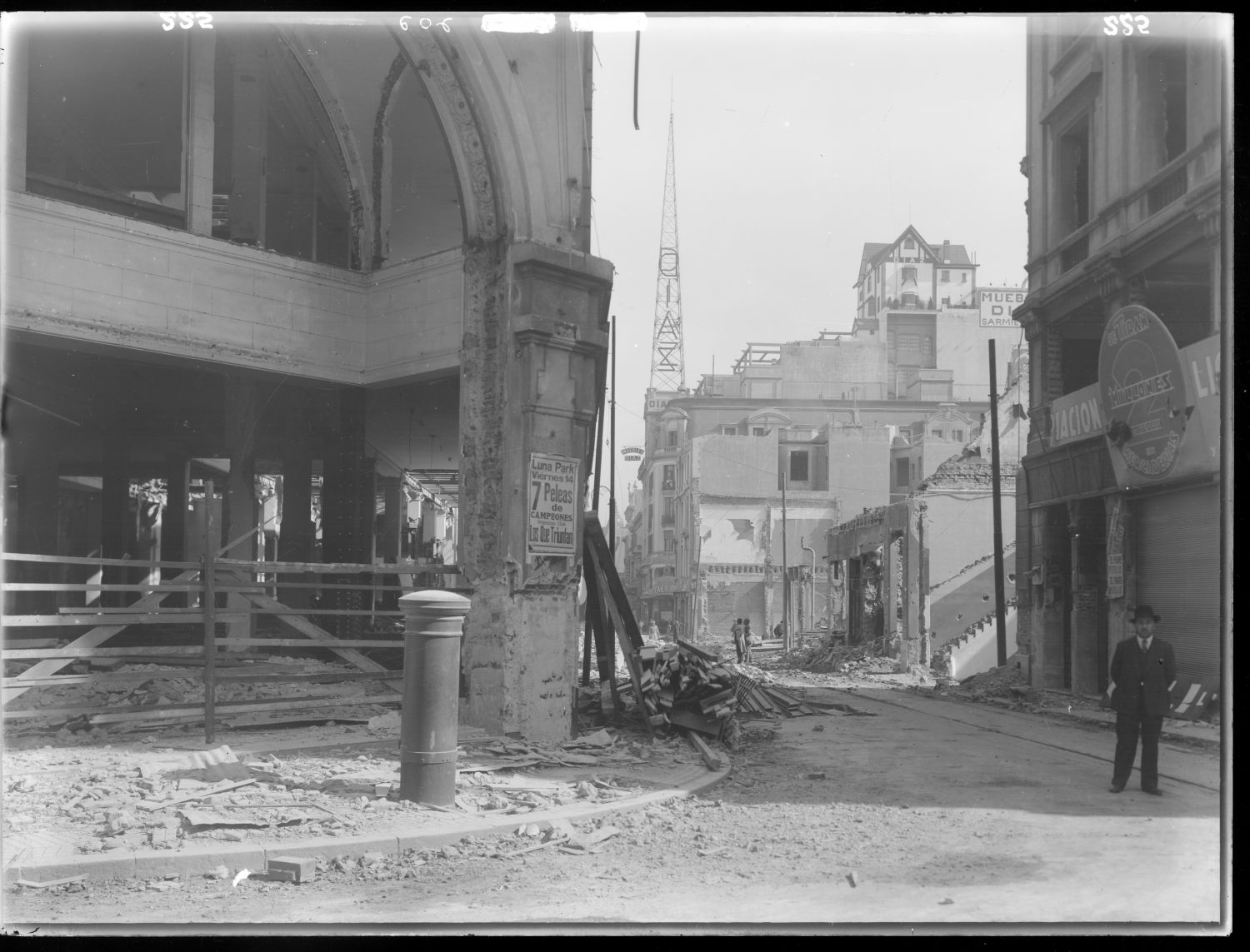
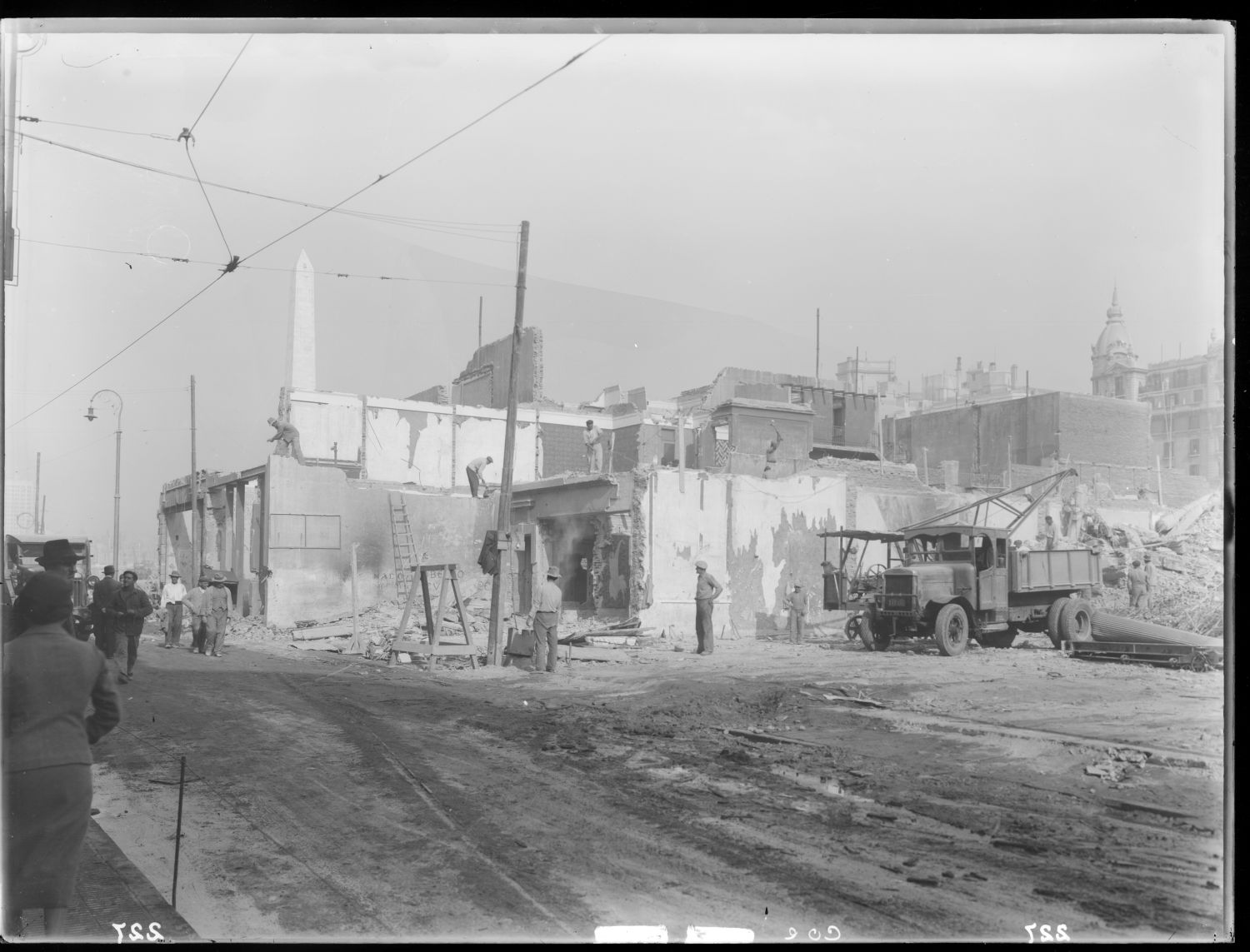
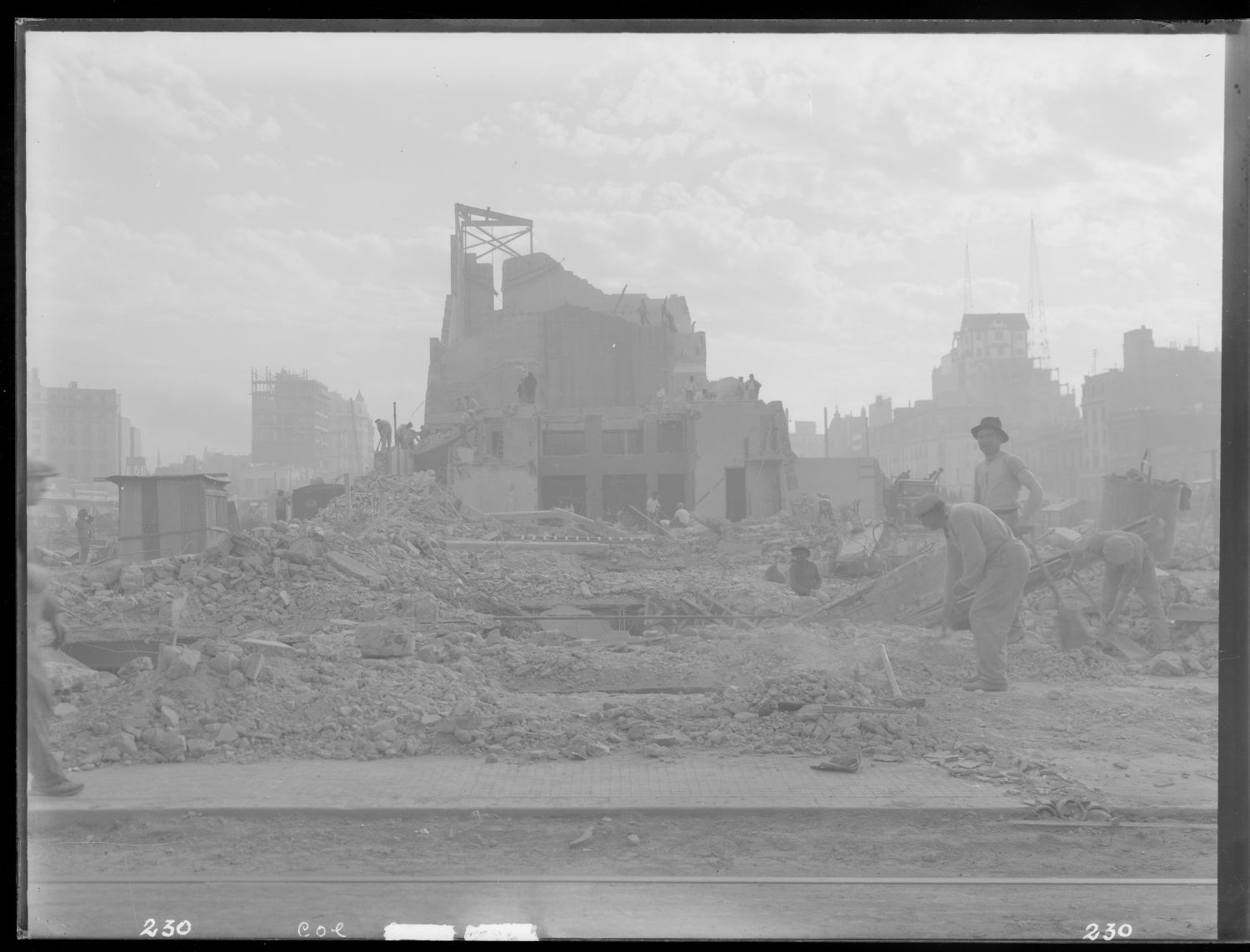
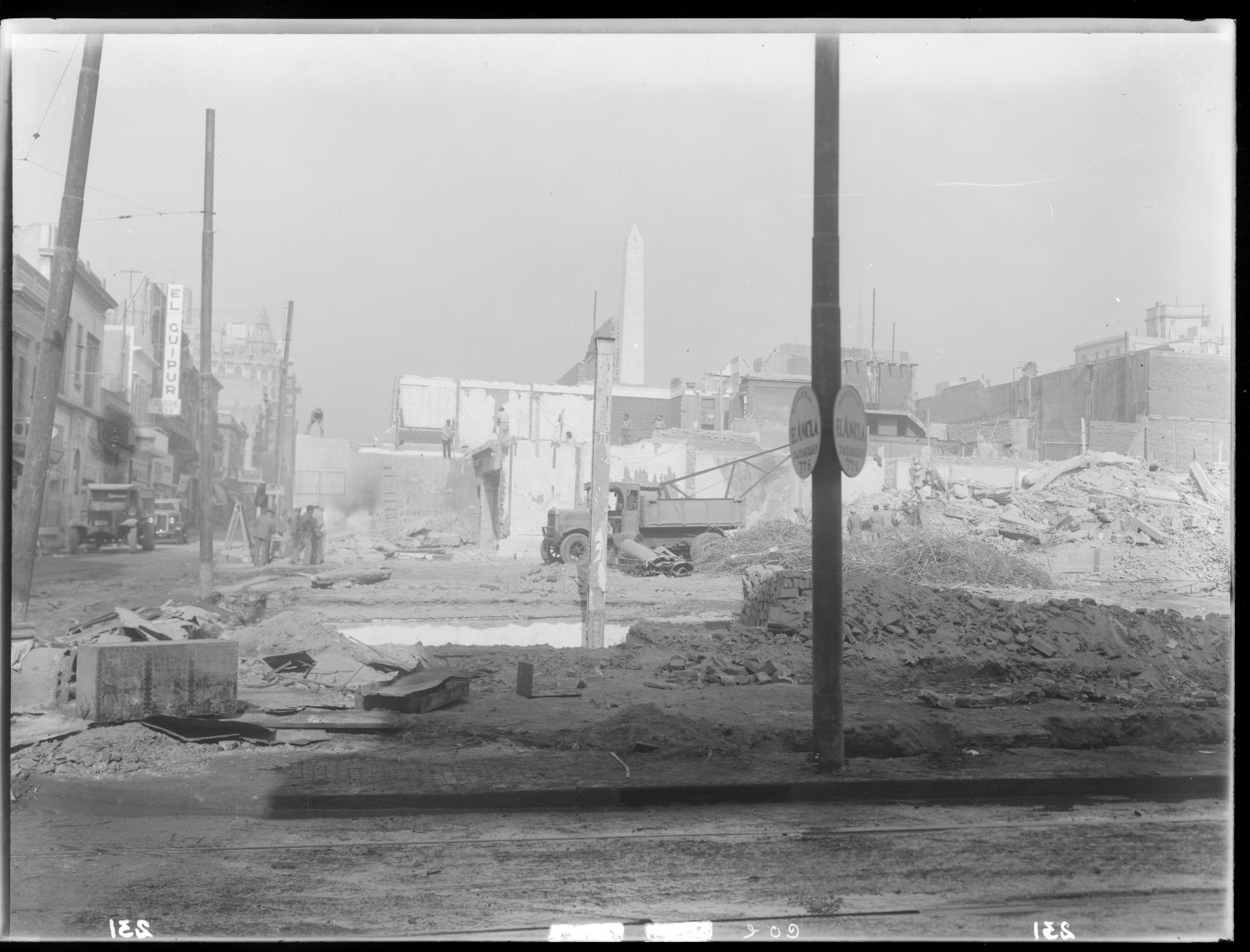
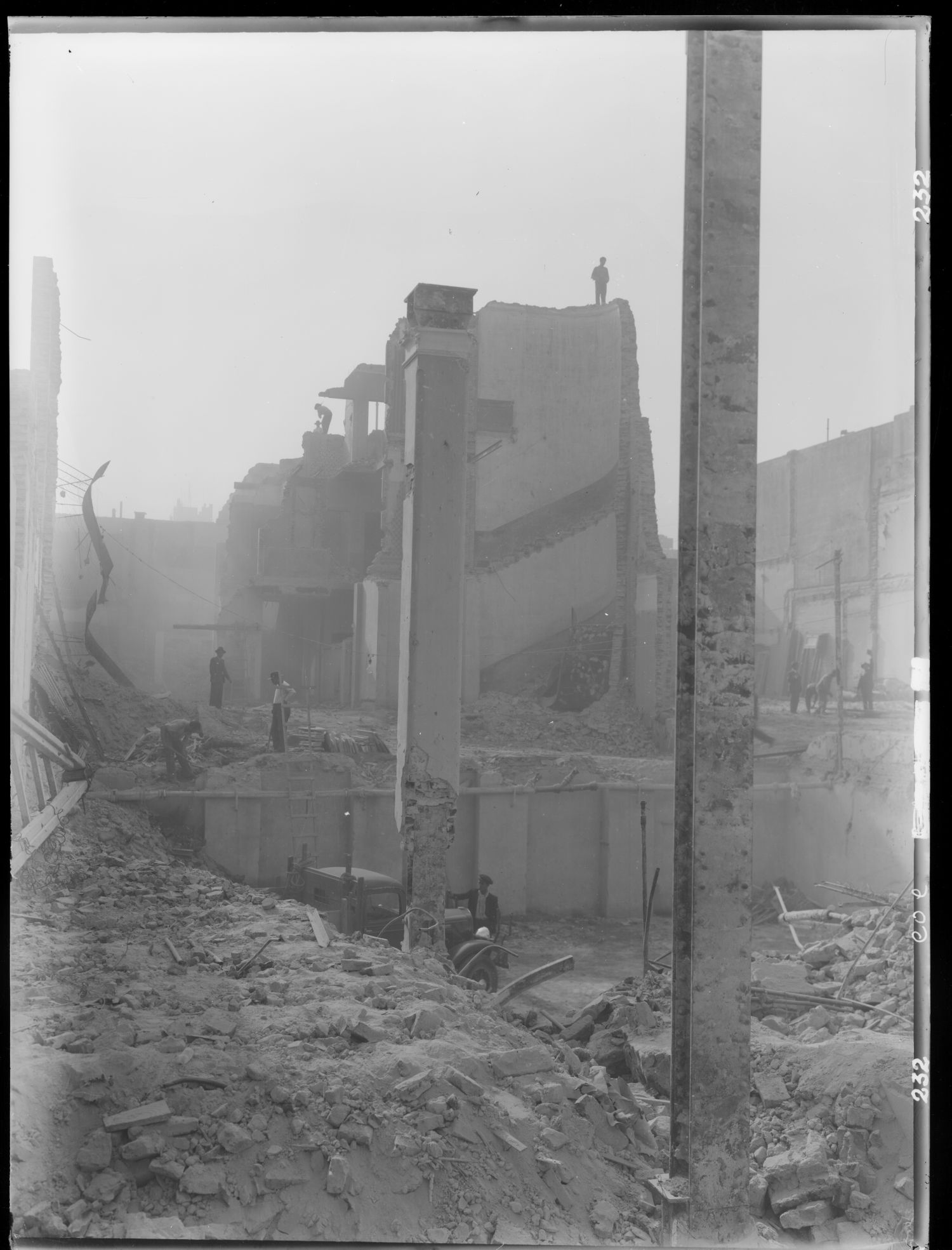
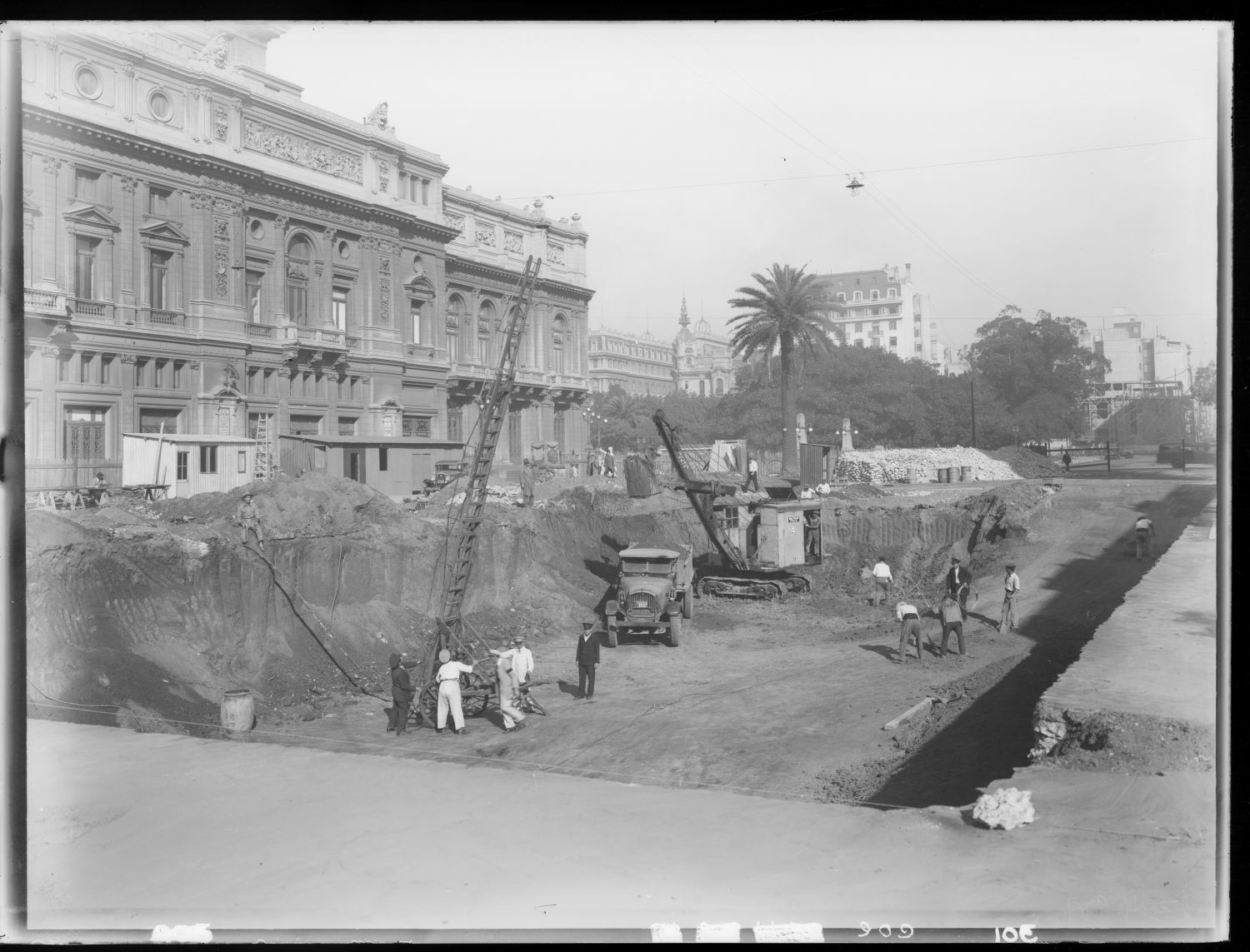
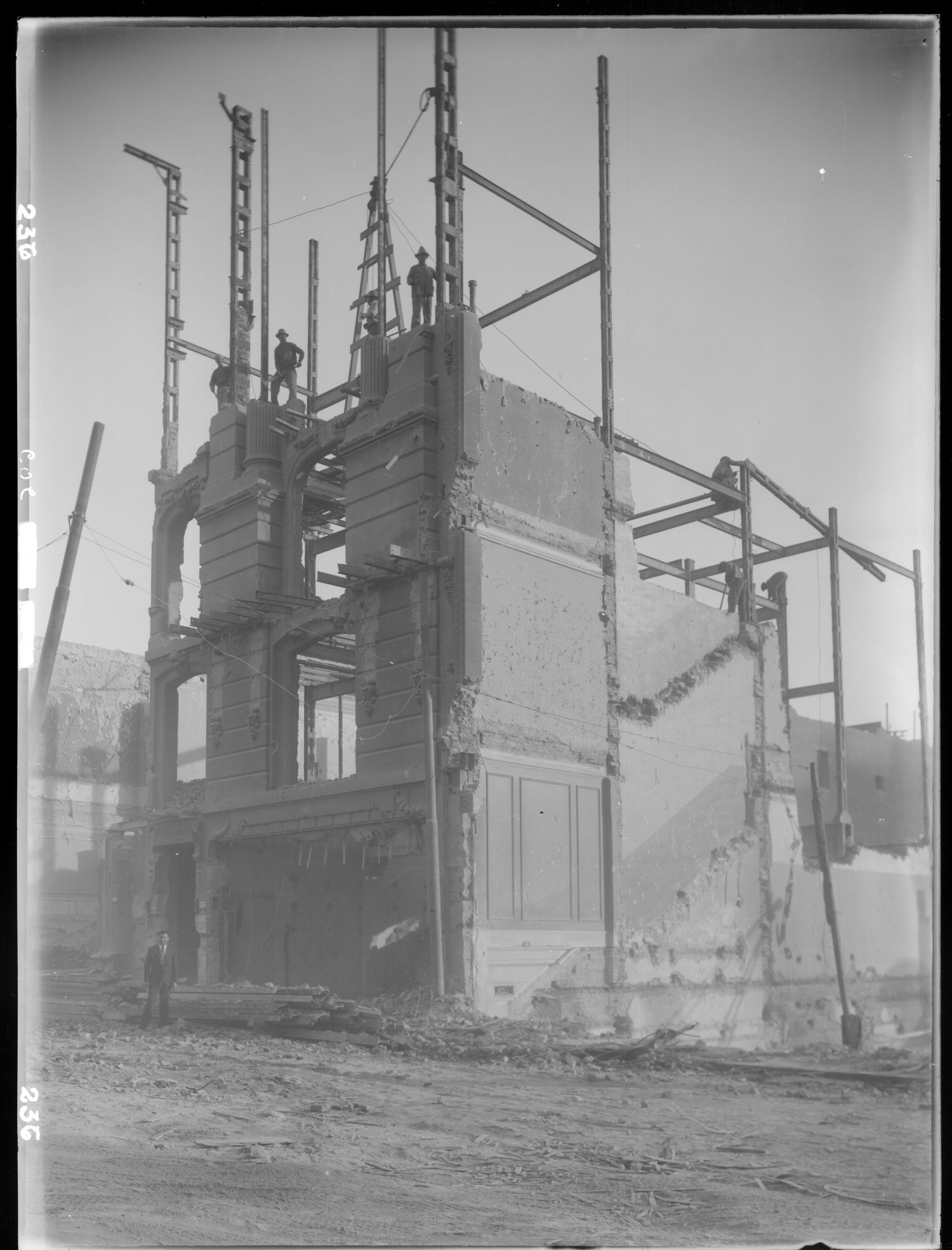
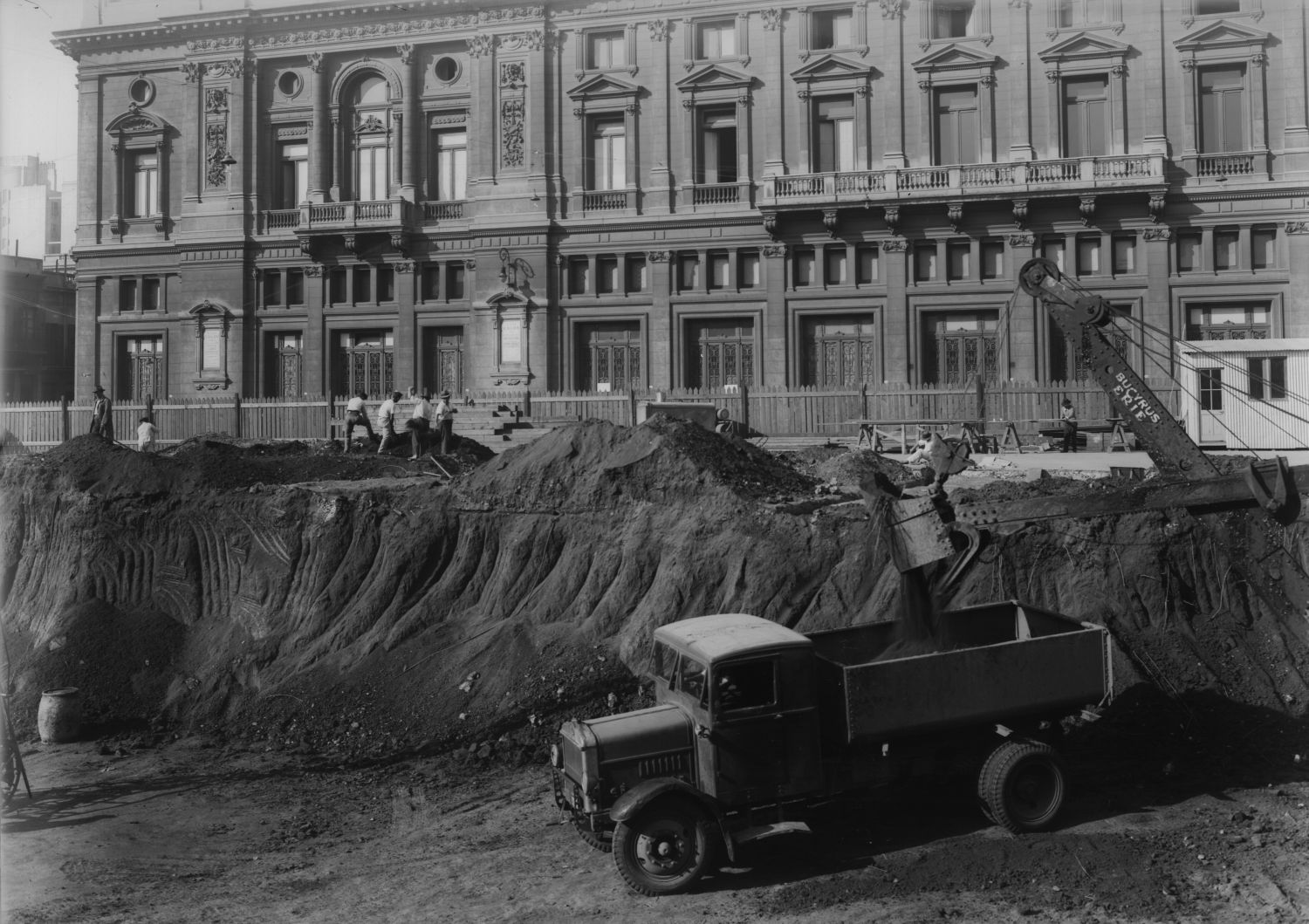
[ 9 de Julio Avenue, ca. 1936. Photographer(s) unknown, archive of the Cultural Department of the Buenos Aires Urban Planning Office ]
Silence is health
In 1973, Juan Perón returned to Argentina after 18 years of exile and political banning. The years leading up to Perón's return were characterized by political radicalization that culminated in large-scale popular uprisings. This period was spearheaded by Marxist left-wing sectors linked to class-conscious and combative trade unionism, particularly the PRT-ERP (Revolutionary Workers' Party - People's Revolutionary Army), and internal left-wing factions within the Peronist movement (Peronist Youth, Montoneros, Peronist Armed Forces, Revolutionary Armed Forces).
Large sectors of the youth activism that promoted Perón's return were fighting for the “Socialist Homeland”. But he returns ready to continue with the Major National Agreement promoted by the dictatorship. From his return, Perón attempted to silence this leftist position within his movement, thus opening a direct confrontation in August 1973. The Argentine Anticommunist Alliance (Triple A) was promoted from the Ministry of Social Welfare. This shock force was composed mainly of thugs from unions aligned with the government and officers of the Federal Police. It was used to combat the so-called Marxist infiltration, both within and outside the peronist movement.
On July 1st, 1974, Perón died, and internal divisions within the Peronist movement intensified. Amid the economic crisis, Peronism imposed neoliberal reforms that were rejected by its social base. In this context, the Buenos Aires city government launched a curious campaign against environmental pollution, particularly noise pollution. They installed a rotating sign at the Obelisk that issued a warning to the population.
In Latin America we tend to think of political violence in terms of the weight of military dictatorships. But we rarely question the uses of violence in democratic governments. In Argentina, the decrees for the annihilation of subversion in 1975, the Operation Independence (army's actions against the ERP rural guerrilla) and the 1,500 people murdered by the Triple A were the prelude to the systematic extermination plan carried out by the dictatorship. This propaganda campaign, initiated during a democratic government, continued under the dictatorship.
[ Sources: Archival footage from the now-defunct Retrospectiva Publicitaria channel. Excerpt from 01:51 to 02:22, from the archivist @elarchivadorantartico ]
With democracy…
In 1983, the last dictatorship came to an end after years of popular resistance and its defeat by the British Empire in the Malvinas War. Raúl Alfonsín was elected president and popularized the phrase: “With democracy, you vote, you eat, you get healthcare, and you get an education.” However a democracy of defeat developed, in which governments were elected by vote, but terror, repression, and the power of corporations remained intact.
In 2021, with 13% of the vote in the Buenos Aires City elections, Javier Milei became a national deputy. The social climate in the post-pandemic era was already tense. The fruits of decades of neoliberal reforms in the country were being reaped, along with overwhelming precarity that was crippling everyone's daily lives. Before COVID-19, a right-wing coalition had indebted Argentina to investment funds like BlackRock and the IMF. The Peronist government, which won the 2019 elections, once again proved complacent toward the extractivist corporations that control the local agriculture, mining and oil industries and the IMF.
In December 2022, 9 de Julio Avenue was the epicenter of the celebrations for Argentina's victory in the World Cup. It is said that almost 7 million of Buenos Aires's 16 million inhabitants were there, and that, despite being the largest public celebration in our history, there were practically no incidents or injuries. These celebrations for the World Cup mirrored those that followed Argentina's victory in the 1978 World Cup, hosted under the repressive regime of the last dictatorship.
Decades of neoliberalism, the rise of the “new” techno-feudal right, and the failure of progressive movements lacking an anti-capitalist perspective shattered any illusion of community reconstruction. For those willing to see it, for those prepared to navigate this discomfort, it wasn't hard to imagine the rise of a figure like Milei.
August 8, 2023. Just days before the presidential primaries, various organizations called for a demonstration at the Obelisk with the slogan: “Against the electoral farce and for the people's democracy.” The police advanced, pushing and hitting the demonstrators. Photojournalist Facundo Molares Schoenfeld is beaten and thrown to the ground by three police officers, subdued by force he dies under the cold shadow cast by the Obelisk in winter. His murder was broadcast live on Facebook by another journalist who was at the demonstration.
Five days after this assassination, 40 years after the end of the last civic-military dictatorship, all the discontent with the Argentine party system came to the surface. Milei garnered 30% of the vote nationally. The two candidates from the traditional right-wing parties together obtained 28%. The candidate from the Peronist coalition, linked to the US embassy, received 21%, and their progressive candidate 5%. The left-wing candidates received 3%.
[ Fonte: YouTube, canal C5N, 10/08/2023 ( MURIÓ el HOMBRE REPRIMIDO por la POLICÍA PORTEÑA en el OBELISCO ) ]
Post democracy
Since Milei took office, repressive crackdowns against any popular force that opposes him have intensified. The truth is that the national government maintains its grip on power through agreements with the other parties across the political spectrum. These are the parties that passed the laws the government sent to Congress, while simultaneously protecting the president from every corruption scandal. Separate protests and demonstrations are emerging from sectors affected by the government's policies: retirees, public sector workers, healthcare and education workers, industrial unions, social movements, and LGBTQ+, etc. But for now, each group is mobilizing in a fragmented way, and coordination efforts are still underway.
According to the 2025 report by the Coordinator Against Police and Institutional Repression (CORREPI), since the return to democracy in Argentina, state repressive forces have murdered 10181 people. This little daily massacre is part of a broader climate shaped by years of becoming accustomed to the constant televised coverage of genocides happening around the world.
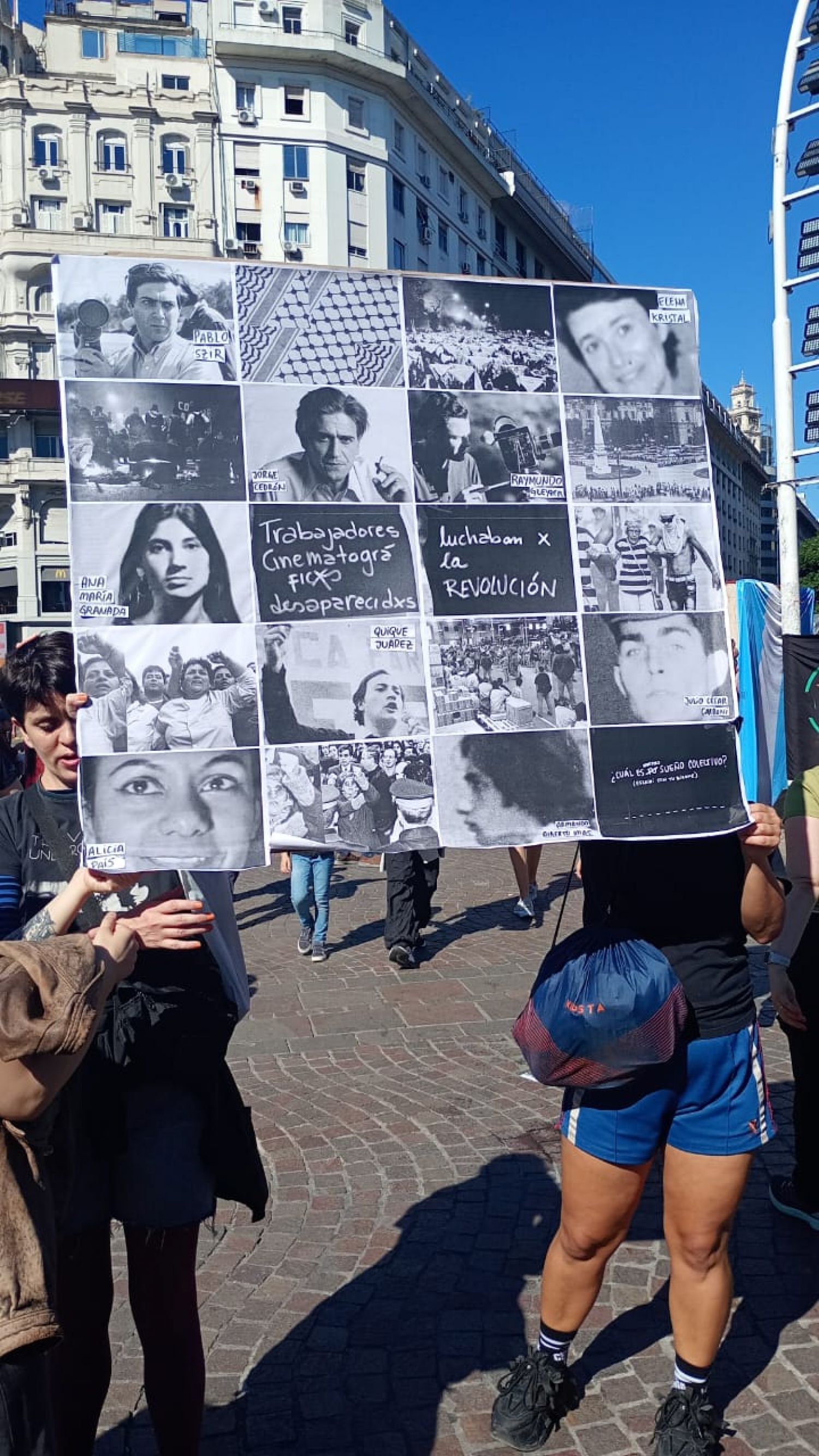
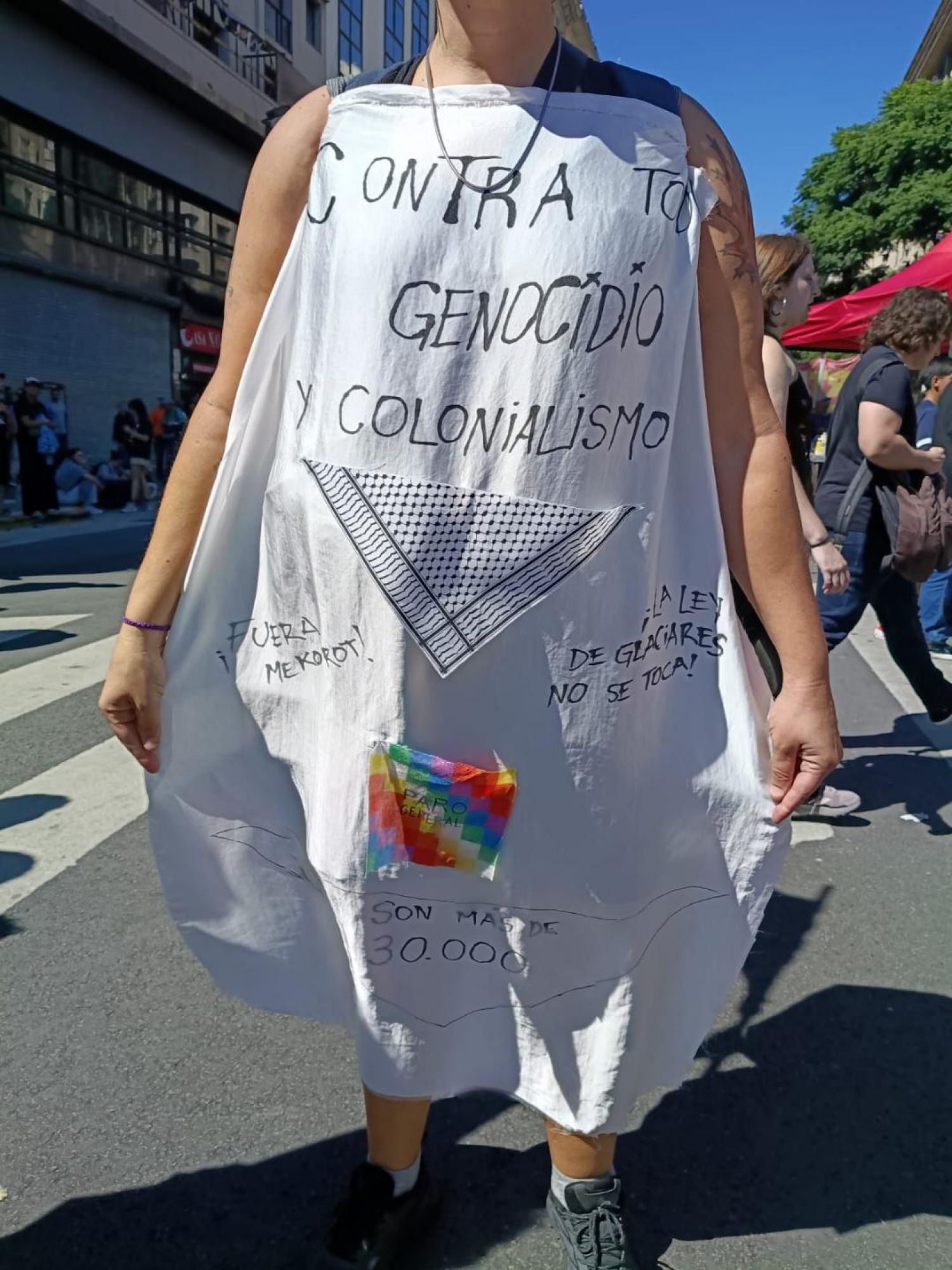
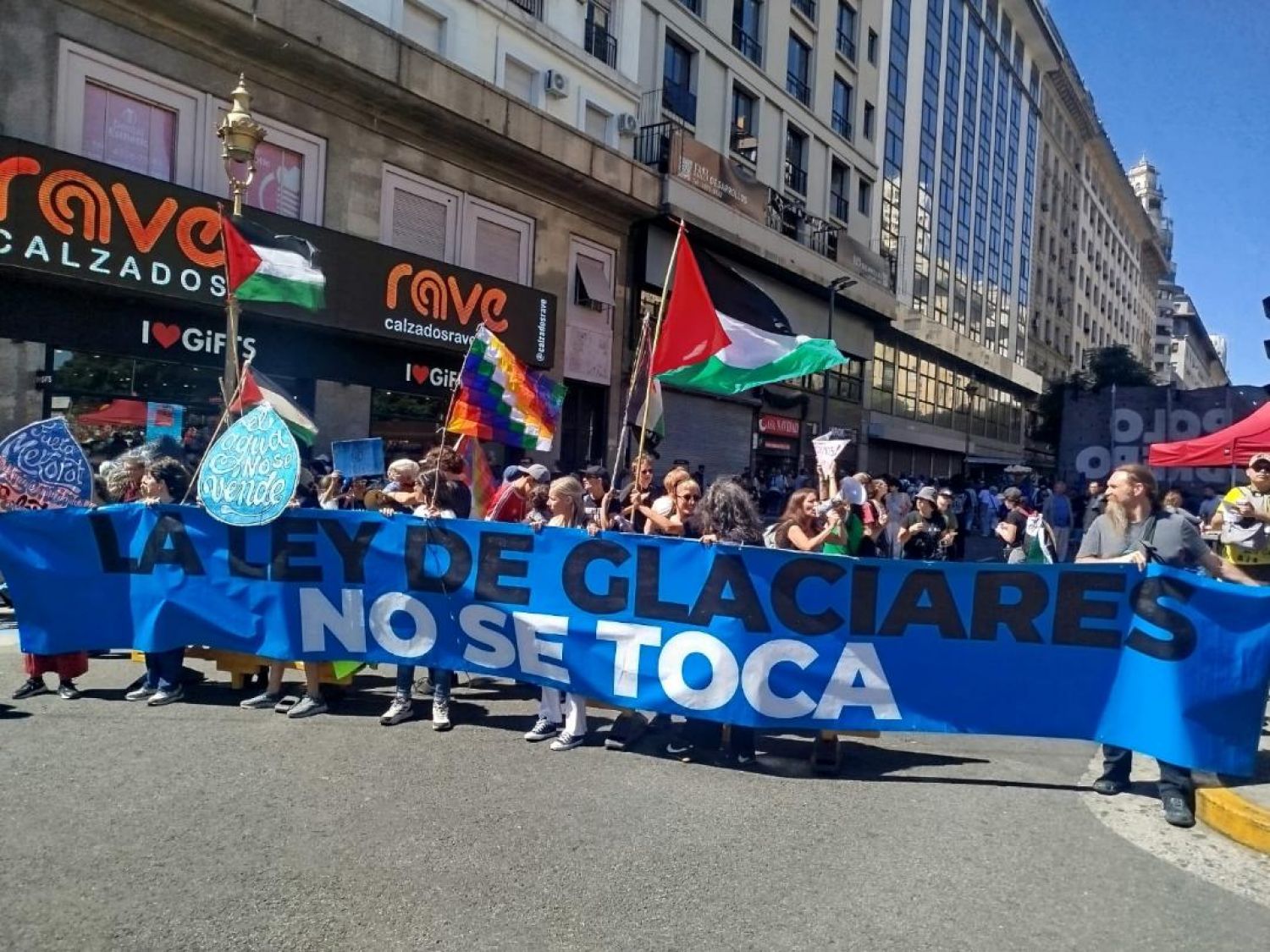
This year marked 50 years since the beginning of the last civic-military dictatorship, and massive mobilizations took place throughout the country. Argentine society is very accustomed to expressing its discontent and unease in the public sphere. But the marches keep happening, and nothing seems to change. The emotional erosion of leftist and progressive forces is evident in their base. The mobilizations may be massive, but perhaps they have become folkloric. They have become a part of the city's cultural agenda, just another event to attend. We have become unaccustomed to direct action, to the radical rejection of a system that is increasingly suffocating us.
Spectral alliances
A couple of years ago while doing my short film 105 Summers After I scavenged through Buenos Aires looking for some leftovers of 1919's Tragic Week. My focus was to find pieces forged by the workers of the Vasena Steel Company that led a general strike that echoed through all of Argentina. I remember a night in which while filming I felt the company of those ghosts right next to me. I totally freaked out because my shooting schedule was set up to match the places where things happened on those same days (January 6th to 14th) in order to open a portal and, believe me, that portal was opened.
This is a moment to reignite the political imagination; the issue is the accumulated tiredness in our bodies after decades of decline. There are no possible answers from the very system that brought us to this point. The question is where to find the energy to bring forth something new. It is a time for uncomfortable questions rather than clear answers.
I once read a misquoted phrase by Becket attributed to Lenin: “Try again, fail again, fail better”. I just thought that it was a slogan from some Leninist manifesto after the defeated revolution in 1905. I’m really tired of the “it’s easier to imagine the end of the world than the end of capitalism” mantra that is copied and pasted everywhere out of frustration. Humanity is always in work in progress stances with itself. In manifestations such as the March 24th ones everything resides as potential, all struggles merge, all intersectionalities are possible.
But in order to get the best out of them we must embrace our coexistence with the ghosts of our defeats and frustrations. To consider possible alliances with our spectres in order to narrate together other songs that will resonate one day in this urban valley, a trace and symbol of our civilizational barbarity.