

AVENUE perspective .1
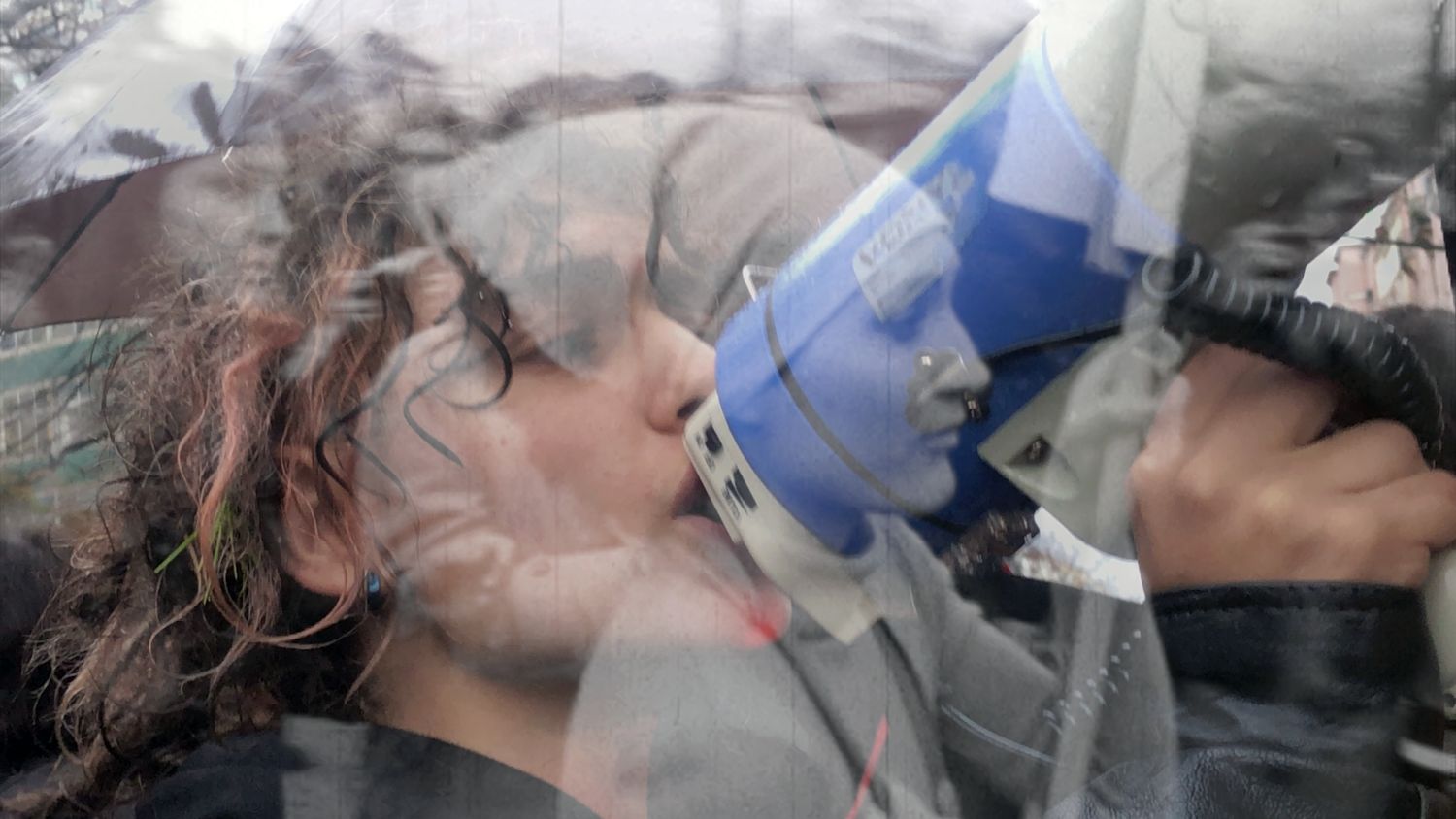
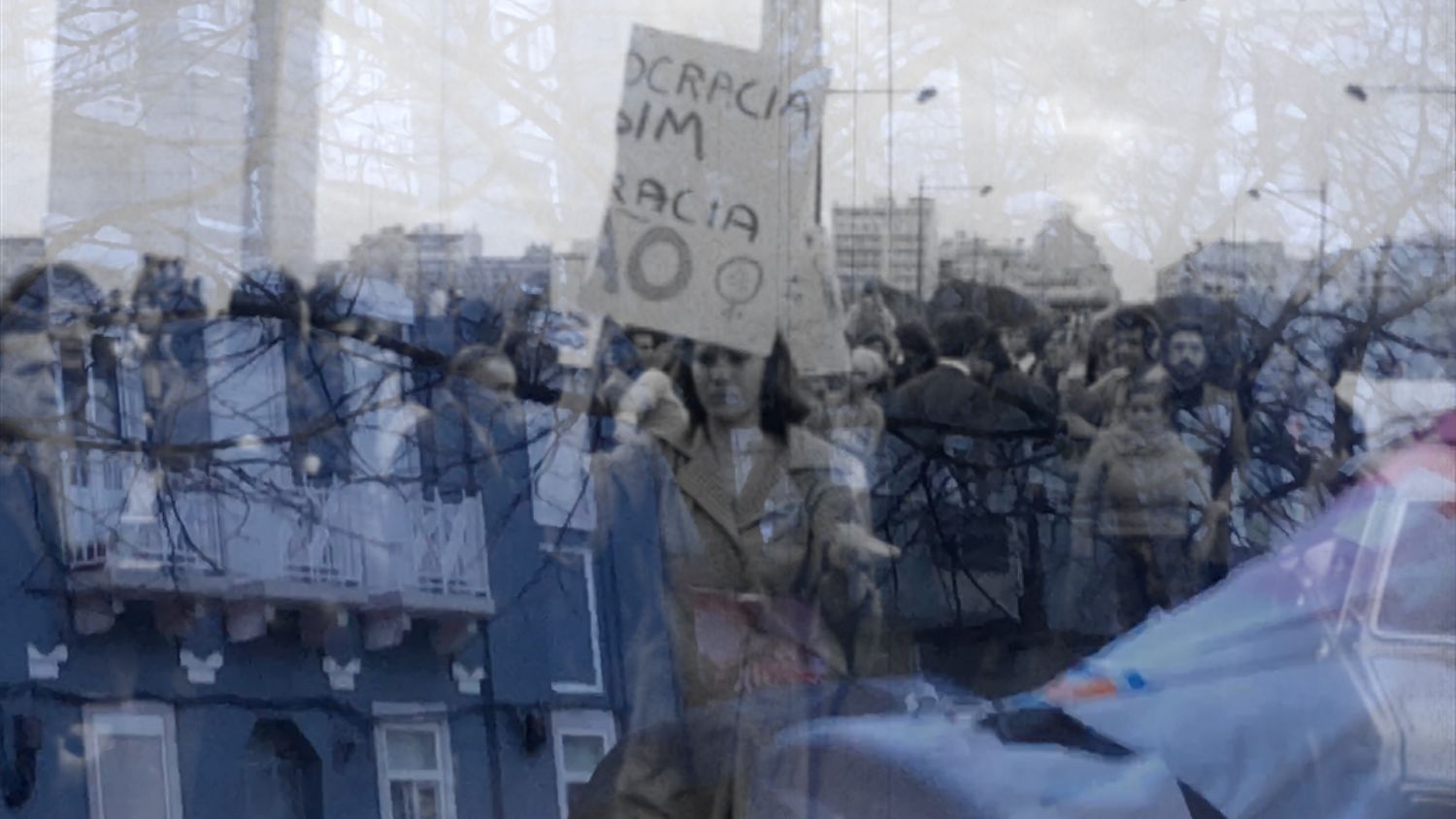
Following extensive film research into the archives of the Carnation Revolution, in preparation for SEMPRE — an installation presented at the Cinemateca Portuguesa and a film premiered at the Giornate degli Autori in Venice in 2024 — I share with readers a selection of new experiences from the editing room: images of Lisbon’s avenues, with the visions of the future that inhabit them, both at the time of the revolution and five decades on.
Advenire, ‘to arrive at’.
The word ‘avenue’ refers to a thoroughfare, a path of approach.
It symbolises access, the journey and progress towards a goal or destination.
Without materials from our own time, the future will be unable to understand and interpret its present.
Esfir Shub
In 1927, Esfir Shub produced one of the first cinematic works consisting primarily of archive footage, combining it with a bold theoretical reflection. The result of extensive research, the film The Fall of the Romanov Dynasty was made to mark the tenth anniversary of the Russian Revolution and is considered the first archive-compilation film in the history of cinema.
«For some reason, it is believed that the emotion aroused by a non-representational film transforms it into an aesthetic phenomenon». In contrast to the views of the time, which established an insurmountable divide between represented and unrepresented cinema – recognising emotional impact and artistic value only in the former – Shub, like Vertov, sought to create an emotive and stirring form of documentary cinema, reclaiming cinema from the realm of the real and bringing it into the sphere of art.
Duration: 5’ 24’’
Boycott of the Women’s Liberation Movement demonstration, 13 January 1975, RTP Archive
Demonstration on 8 March 2024, sound and footage by Luciana Fina